Divrei Torah

Table of Contents

Introduction

In the Pursuit of Truth

As we consider the period following the exodus of the nation of Israel from their enslavement in Egypt up to their receiving the Torah from

Bereishit

Bereishit

Dvar Torah - the course of events leading toward the formation of the universe

How It All Started

In chapter 1 of the book of Bereshit, we are informed about the course of events leading toward the formation of the universe. On the

Dvar Torah-And G-d made the beast of the earth according to its kind, and the animal according to its kind, and every creeping being of the ground according to its kind

In Full Form and Stature

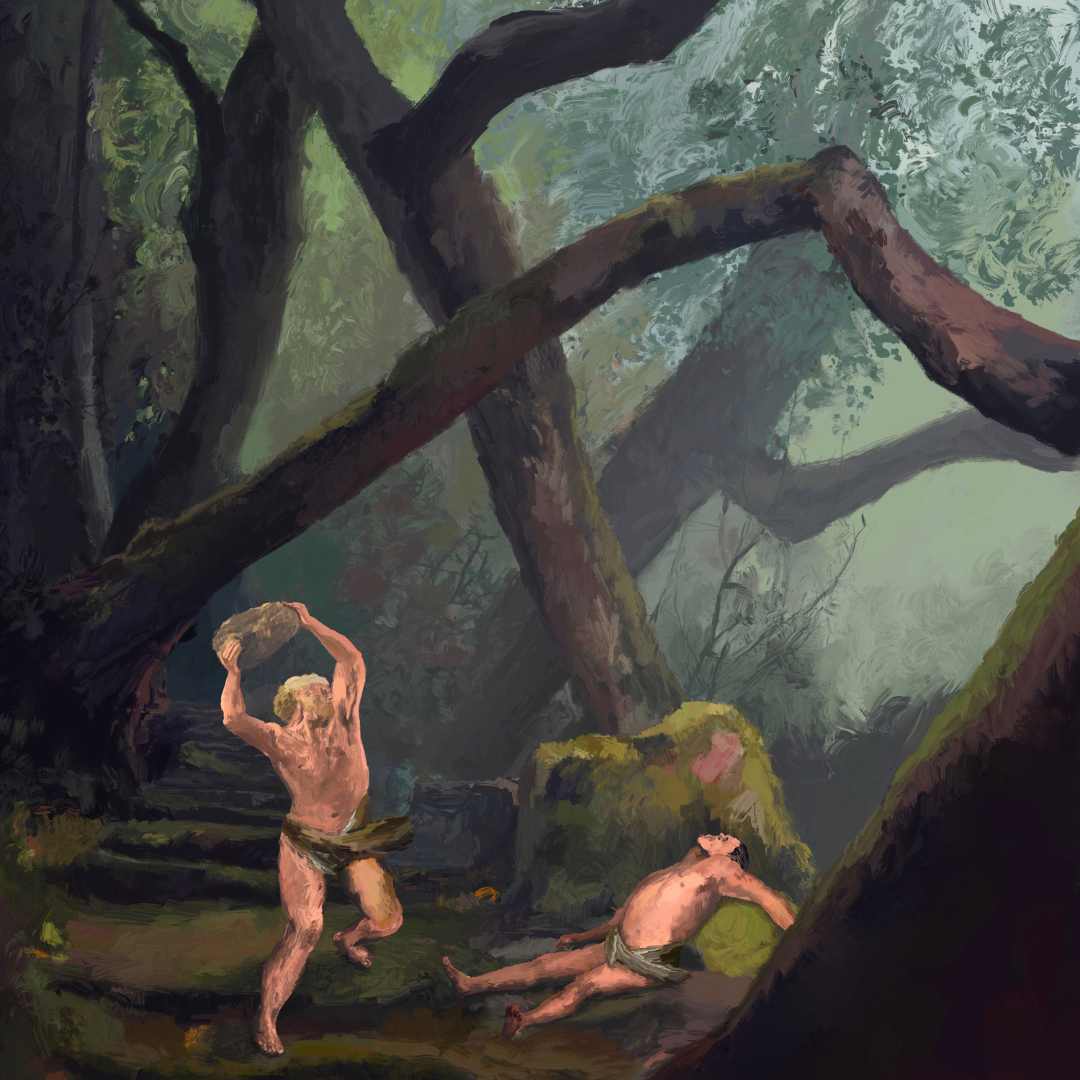
In the beginning of the Torah reading of Bereshit, we find the verse, “And G-d made the beast of the earth according to its kind,
Noach

Dvar Torah-In the story of the Tower of Babel, men tried but failed to build a tower to the heavens

Digging for the Truth

In Bereshit 6:13, G-d tells Noah, “The end of all flesh has come before me for the earth is filled with violence through them.” So,

Mixed Up Priorities

In his comments on the Torah portion of Noach (VeHigadeta, Bereshit pp. 137 – 140), R. Yaakov Galinsky wonders about the verse (Bereshit 9:20), “And

Dvar Torah-G-d asked Noah to occupy his time for 120 years to build an ark in order that anyone who would see him should wonder and ask about it

Late to Base

A story is told of a group of soldiers who were on leave from the Israeli Army.  This group was given a number of hours, perhaps

Lekh Lekha

After leaving Jerusalem on the road due east, one eventually reaches the famous town of Jericho which fell to the blast of Joshua’s trumpets about 1250 BCE, and although Joshua forbade reconstruction of the city, in the ninth century BCE “Hiel the Bethelite did build Jericho” (Melachim I 16:34).

Land of Milk and Honey

In Bereshit 12:1, G–d enjoins his faithful servant, our forefather Abraham, “Go from your land, from your birthplace and from your father’s home to the

Divrei Torah-The reason Yishmael was saved was not only as a result of being judged based on his present status

Beginning of a Rivalry

The Torah section of Lekh Lekha marks the beginning of a rivalry – a long standing rivalry that continues to this day.  We read in
Vayera

While sitting by his tent door in the heat of the day, Abraham meets three messengers of G-d.

You and Me Together

While sitting by his tent door in the heat of the day, Abraham meets three messengers of G-d.  One of the messengers informs Abraham, “Sarah

Divrei Torah-Abraham receives a commandment from G-d to make a sacrifice of his son, Isaac

At Knife’s Edge

In his attempt to prove that “truth is subjectivity,” the Danish philosopher Soren Kierkegaard argues that the least evolved of all human beings is the

Chaye Sarah

Mourning a Loved One

“And Sarah died…and Abraham came to mourn for Sarah and to weep for her” (Bereshit 23:2). Abraham, upon the departure of his wife, Sarah, from

Divrei Torah - The Torah portion Chaye Sara begins with informing us of the passing of our first matriarch, Sarah

A Test of Character and Intelligence

The Torah portion Chaye Sara begins with informing us of the passing of our first matriarch, Sarah.  “Sarah’s lifetime was one hundred years, twenty years,

Divrei Torah - Rather, to my land and to my kindred shall you go and take a wife for my son for Isaac.

Stay Out of Harm’s Way

In the beginning of the Torah section of Chaye Sarah, we read that Abraham’s son Isaac had come of age.  After G-d’s miraculously giving Abraham’s

Toldot

And prepare delicious meat for me... so that I can eat, so that my soul may bless you before I die.

G-d Bless You

As we read chapter 27 of the first of the five books of the Torah, we find, “And it came to pass when Isaac was

Divrei Torah - In the Torah section of Toldot, we read of three wells that Isaac dug.

A Peek into the Future

In the Torah section of Toldot, we read of three wells that Isaac dug.  We are told that these were originally dug by his father

Table of Contents

Get The Latest Updates

Subscribe To Our Divrei Torah

No spam, notifications only about divrei Torah, updates.

Categories

Va'Yetze

Divrei Torah - Upon later coming to Lavan’s house, we are told, “Jacob loved Rachel and he said [to Lavan], ‘I will serve you seven years for Rachel your younger daughter’

Magic, Myth or Something Else?

In Bereshit 27:10, we are informed, “Jacob left Beersheba.”  Eventually, Jacob reaches the town of Lavan, the brother of his mother Rebecca.  In this town,

The first verse of the Torah section of VaYetze reads: “And Jacob departed from Beer Sheva and went to Haran” (Bereshit 28:10)

Leaving an Impression

The first verse of the Torah section of VaYetze reads: “And Jacob departed from Beer Sheva and went to Haran” (Bereshit 28:10).  On this verse

Va'Yishlach

Divrei Torah - From Jacob’s describing this individual as godly (Bereshit 32:31), it would appear that this foe was not just a senseless human being bent on hurting a fellow human being, but a heavenly angel sent by G-d to impress a lesson upon Jacob and those to whom this event is reported.

Story of a Sinew

In Bereshit 32:23-33, after Jacob leaves his brother Esau, we are told a rather curious tale: “And he [Jacob] rose up that night and he

Divrei Torah - Jacob sent malakhim “to Esav his brother to the land of Seir,

The Miracle of Nature

In the beginning of the Torah section of  VaYishlach, we read that Jacob sent malakhim “to Esav his brother to the land of Seir, the
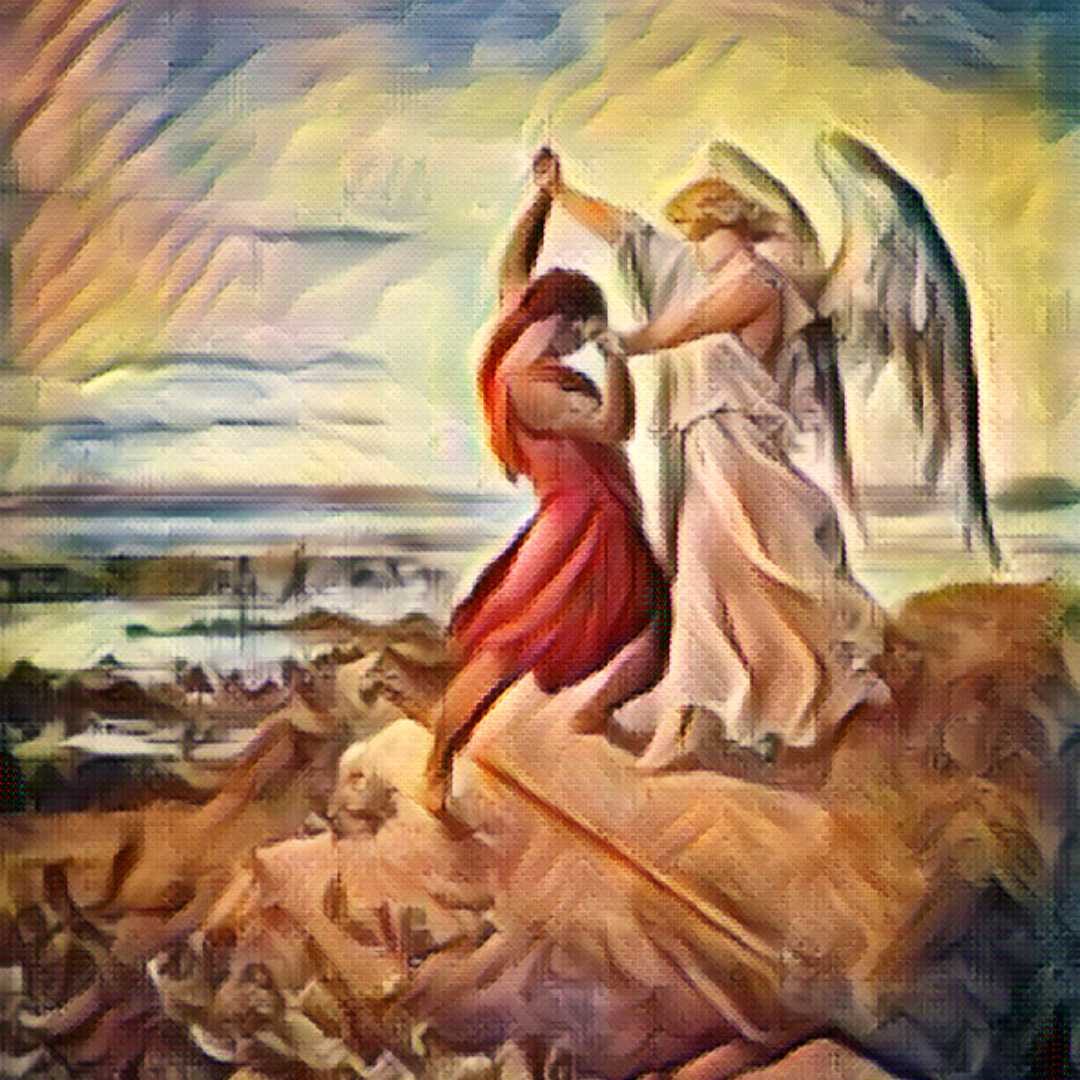
Divrei Torah - Jacob’s struggle with an unexpected foe

We Will Overcome

In the Torah section of VaYishlach, after Jacob’s struggle with an unexpected foe, we read (Bereshit 32:33), “Therefore, the children of Israel are not to

Va'Yeshev

Joseph old was feeding the flock with his brothers; and the lad was with the sons

An Evil Tongue

In Bereshit 37:2, we are informed: “Joseph being seventeen years old was feeding the flock with his brothers; and the lad was with the sons

Divrei Torah - “And Joseph had been brought down to Egypt and Potiphar, a courtier of Pharaoh, the Chamberlain of the Butchers, a prominent Egyptian

A Mind Focused

In the Torah section of VaYeshev, the Torah informs us of a series of events in the life of Joseph, first of two sons to
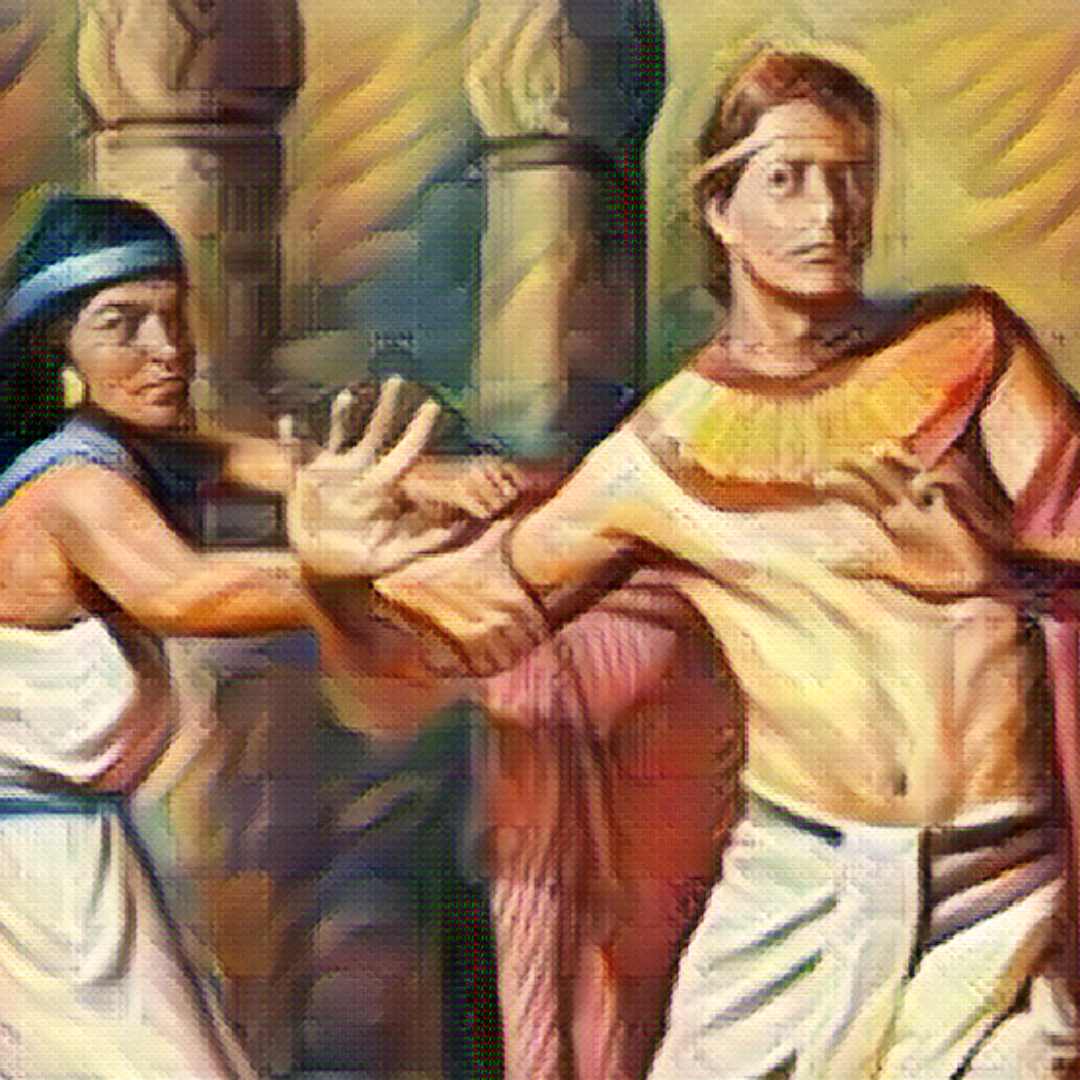
Divrei Torah - after many difficulties that Joseph endured during his lifetime

Be Wary of Good Intentions

We read in the Torah section of VaYeshev how, after many difficulties that Joseph endured during his lifetime, including being sold into slavery by his

Chanukah

Divrei Torah - For eight days during the year we celebrate the holiday of Chanukah

Festival of Lights

For eight days during the year we celebrate the holiday of Chanukah.  The events leading up to the initiation of this festive occasion date back

Divrei Torah - R. Shimshon Pincus described a progression in the various holidays celebrated by observant Jews round the world.

Light at the End of the Tunnel

In one of his talks discussing the holiday of Chanukah, the latter day Torah scholar R. Shimshon Pincus described a progression in the various holidays

Divrei Torah - holiday of Chanukah

We Have G-d in our Corner

On the holiday of Chanukah, observant Jews round the world declare their appreciation to G-d in the Shemona Esrei prayer: “For the miracles, and for

Miketz

Divrei Torah - Joseph proceeds to tell Pharaoh that his dream connotes a period of seven years of prosperity in Egypt followed by seven years of famine

Discerning and Wise Man

After wallowing in prison on trumped up charges for two years, Joseph is finally released.  Pharaoh has a dream and it is recognized that the

Divrei Torah - oseph’s brothers begin to contemplate their actions, past and present, and they begin to regret their actions towards Joseph.

Do Not Jump to Conclusions

In the Torah section of Miketz, we read the continuation of Joseph’s ordeal.  As a result of perceived improper behavior with regard to his brothers,

Divrei Torah - a government minister, who, while in prison, met Joseph and had his own dream interpreted in an amazing fashion by Joseph

Stand Up on a Chair

Events in the Torah portion of Miketz mark a culmination of a period of servitude and imprisonment imposed in Egypt upon Joseph the son of

Va'Yigash

Divrei Torah - Judah entreats Joseph: “Let your servant abide instead of the lad a bondman to my lord and let the lad go up with his brothers. For how shall I go up to my father and the lad not be with me?

Mutual Respect and Concern

In Bereshit 44:33-34, we read that Judah entreats Joseph: “Let your servant abide instead of the lad a bondman to my lord and let the

Divrei Torah - the emigration of Jacob and Joseph’s brothers to Egypt

Land of the Priests

In the Torah section of VaYigash, we read of the rapprochement – at first apprehensive and then joyous – between Joseph’s brothers and Joseph, the

Dvar Torah Jacob’s descent with his entire family to Egypt

I Shall Also Surely Bring You Up

In the Torah section of VaYigash, we read of Jacob’s descent with his entire family to Egypt after discovering his beloved son Joseph’s whereabouts.  “So

Va'Yechi

Divrei Torah - “He blessed Joseph and he said, ‘Oh G-d before Whom my forefathers Abraham and Isaac walked, G-d Who shepherds me from my inception until this: May the angel who redeems me from all evil bless the lads [Joseph’s sons]

He Blessed Joseph

In the Torah section of Vayechi, we read of Jacob’s coming on in years after emigrating to Egypt to reunite with his cherished son Joseph

Divrei Torah - And Jacob blessed them that day, saying, ‘By you shall [the people of] Israel

Perfect Harmony

In the Torah reading of VaYechi, we read (Bereshit 49:20): “And Jacob blessed them that day, saying, ‘By you shall [the people of] Israel bless

Sh'mot

Sh'mot

Divrei Torah - Divrei Torah - Egyptian man smiting a Hebrew man

True Paths of Peace

In the beginning of the second book of the Torah, Sh’mot (2:11-12), we are told of an encounter of the young future leader of the
Divrei Torah - Egypt enslaved the children of Israel with crushing harshness” (Sh’mot 1:11). And Pharaoh instructs the midwives, “When you deliver the Hebrew women … if it is a son, you are to kill him

Heavy of Speech

The Torah section of Sh’mot introduces the toils and tribulations of the children of Israel in Egypt after Jacob and all his sons passed away. 
Divrei Torah - The woman conceived and gave birth to a son.” Our Sages identify this man and woman as Amram and his then 130 year old wife Yocheved (Babylonian Talmud, Sotah 12a).

Timing is of the Essence

In the Torah section of Sh’mot (Sh’mot 2:1), we read, “A man went from the house of Levi and he took a daughter of Levi. 

Va'Eirah

Divrei Torah -G-d hardened the heart of Pharaoh the king of Egypt,” as a result of which, “he pursued the Israelites

Freedom of Will

In describing to Moses the course of events that is to unfold leading to the Israelites’ exodus from the slavery of Egypt, G-d says, “And
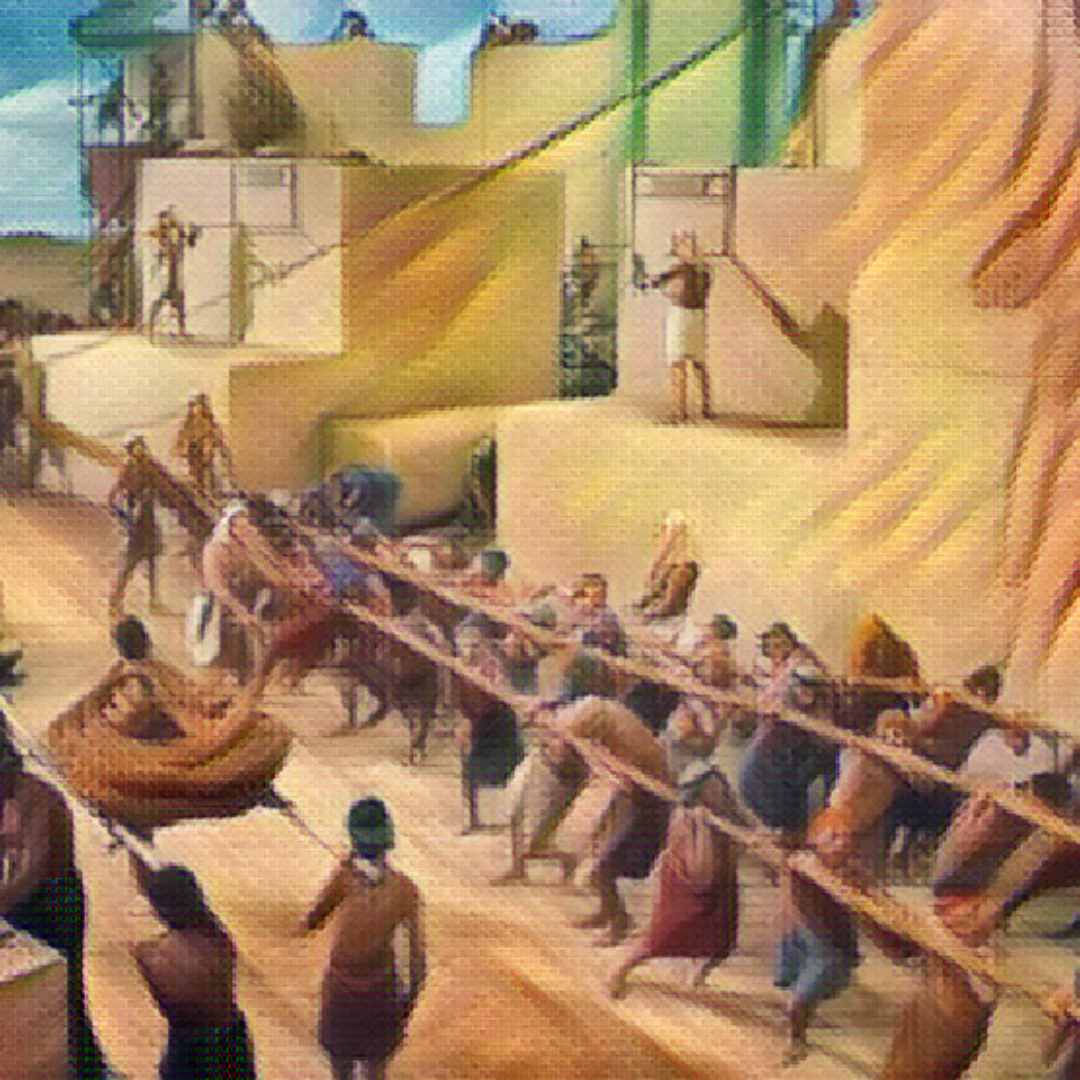
Divrei Torah -in the beginning of the Torah section of VaEirah that the enslavement of the Israelites at the hands of the Egyptians

Unable to Listen

We are told in the beginning of the Torah section of VaEirah that the enslavement of the Israelites at the hands of the Egyptians was

Divrei Torah - Pharaoh then summoned Moses and Aaron and begged them (Sh’mot 8:4-6), “Entreat G-d that He remove the frogs from me and my people,

Tomorrow will Come

In the Torah section of VaEirah, we begin to read of the ten plagues that G-d put upon the land of Egypt and the Egyptian

Bo

Divrei Torah - Before their miraculous exodus from slavery in Egypt, they are instructed regarding the preparation of a special lamb offering as well as other laws surrounding the Passover holiday that is to be celebrated in commemoration of this astounding event.

Guide to the Pedagogue

In the Torah section of Bo, we find the first directive from G-d to the people of Israel as a whole.  Before their miraculous exodus from slavery
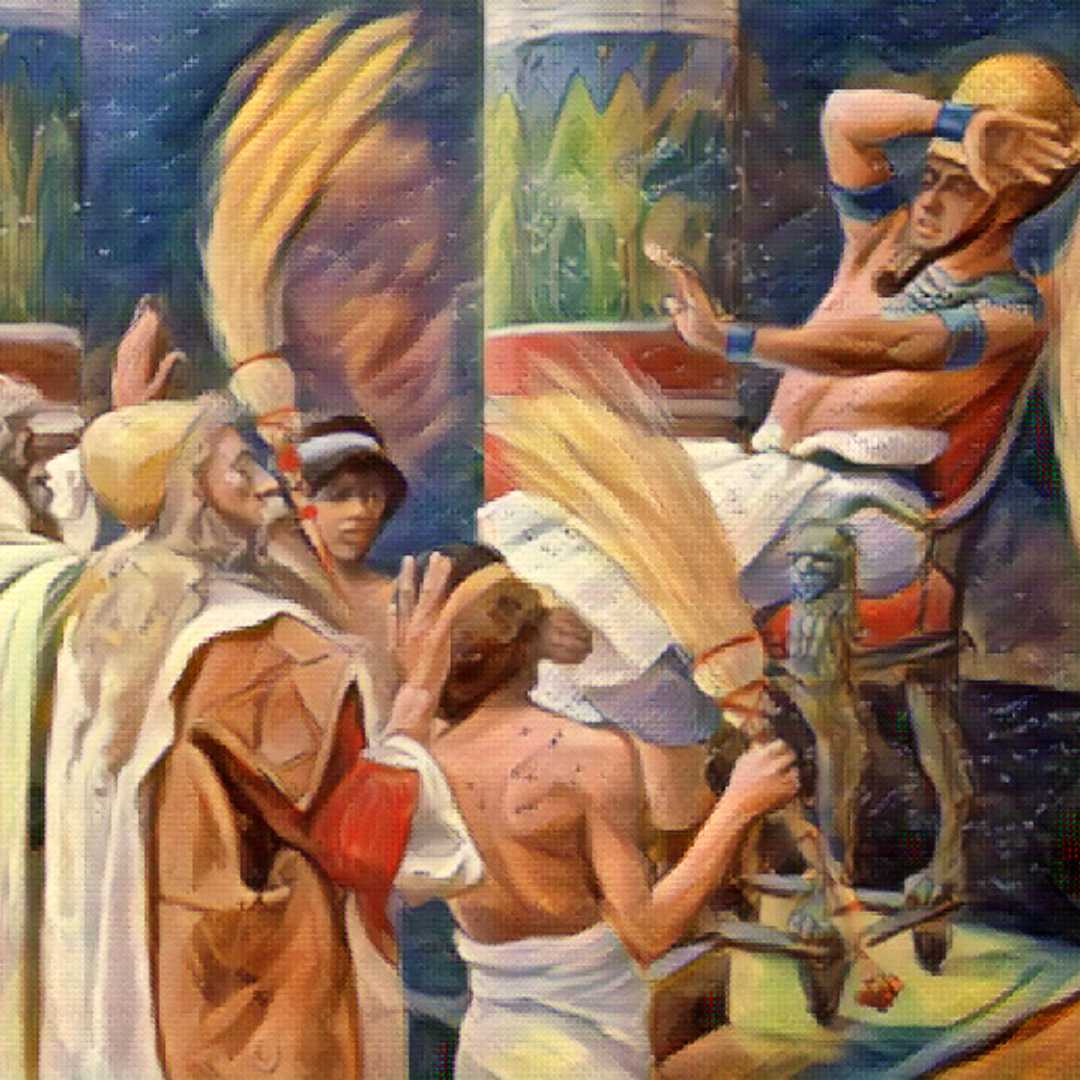
Divrei Torah - Moses foretells the final plague (Sh’mot 11:6-7)

Stop Barking and Start Listening

In the Torah section of Bo, we approach the final end to the Egyptian enslavement of the descendents of Israel.  The Al-Mighty G-d, L-rd of
Divrei Torah - and there shall be darkness upon the land of Egypt

G-d’s Word is Not a Suggestion

In the Torah section of Bo, G-d completes a series of ten plagues whereby He punishes the Egyptians for their cruel enslavement and persecution of

B'Shalach

Divrei Torah - Moses unabashedly shows his disdain for this tyrant: “And he went forth from Pharoah’s presence in burning anger” (Sh’mot 11:8).

Lesson in Humility and Leadership

In the Torah portion of B’Shalach, G-d culminates his series of punishments that he administers against the Egyptians on behalf of the great-great grandchildren of

Divrei Torah - analysis of another question related to the matza that the Israelites ate upon leaving Egypt

Armed with the Truth

In the Torah section of B’Shalach, we read (Sh’mot 13:18), “And the children of Israel were armed when they went up from Egypt.”  On this

Divrei Torah - R. Feinstein points out that if G-d had just split the Sea but not killed the Egyptians, that miracle would not have sufficiently helped the Israelites for their enemy would have continued to pursue them

Great Hand

In the Torah section of Beshalach, we read (Sh’mot 14:31), “And Israel saw the great hand that G-d inflicted upon Egypt.”  In his Darash Moshe,

Yitro

Divrei Torah - to embrace Judaism

Changing for the Better

The Torah portion of Yitro begins (Sh’mot 18:1-12): “Jethro, the minister of Midian, the father-in-law of Moses, heard everything that G-d did for Moses and for
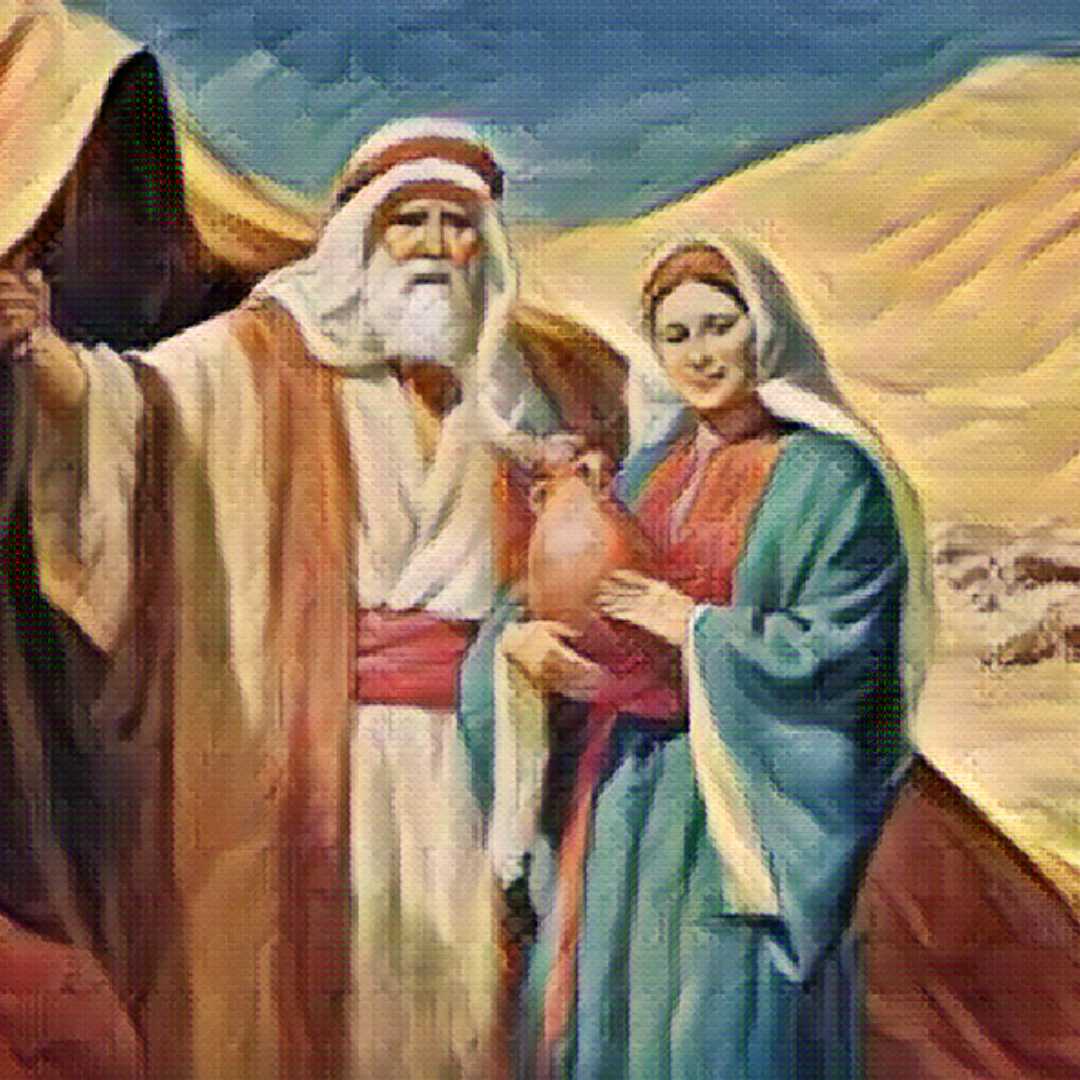
Divrei Torah - precept of honoring one’s parents

Matter of Honor

In the Torah section of Yitro, we are told of the arrival of Yitro, Moses’ father-in-law, his praise for Moses and the Israelites, his advice

Divrei Torah - And Yitro, the father-in-law of Moses, came to Moses

So That Your Days be Lengthened

The Torah section of Yitro begins with our being told of Yitro’s sojourn from Midian into the desert to reunite with his son-in-law Moses and

Tu B'shvat

Divrei Torah - Tu B’Shvat, to be the New Year of Trees

Planting Seeds for the Future

In the Talmud (Babylonian Talmud, Rosh Hashana 2a), Bet Hillel establishes the 15th day in the Hebrew month of Shvat, known as Tu B’Shvat, to

Divrei Torah - process of planting trees

Bearing Fruit

On the 15th day of the Hebrew month of Shvat, known as Tu B’Shvat, Jews worldwide mark the New Year of Trees (Babylonian Talmud, Rosh Hashanah

Divrei Torah - New Year of trees

Praise the Good L-rd

On a daily basis, observant Jews the world over praise the Al-Mighty G-d as they bless Him for all the good that they enjoy.  Our
Mishpatim

Divrei Torah - ancient Canaanites

War and Peace

Towards the end of the Torah portion of Mishpatim, G-d informs the people of Israel who have escaped a torturous slavery in Egypt, are trekking

Divrei Torah - G-d’s granting the authority to heal to the human race, not the authority to give up hope on life

Authority to Heal

In the Torah section of Mishpatim, among the many laws and injunctions mentioned, we find (Sh’mot 21:19), “If men quarrel and one strikes his fellow

Divrei Torah - success or failure of any medical care is up to G-d

Heal Us and We Will be Healed

In the Torah section of Mishpatim, G-d introduces to the followers of His Torah many of the laws and regulations that are to guide our

Terumah

Divrei Torah - Mishkan

Giving is Receiving

The Torah section of Terumah discusses the contribution, apportionment and design of the various components of the holy Tabernacle, the Mishkan, which was later to be

Divrei Torah - construction of the Mishkan (Holy Tabernacle)

Makings of a Table

In the Torah section of Terumah, we read of the construction of the Mishkan (Holy Tabernacle), predecessor to the Bet HaMikdash, and its various components.  In the course

Divrei Torah - in the process of describing the details of the construction of the Mishkan (Tabernacle), used in the desert for sacrifices to G-d, we read (Sh’mot 26:15)

Construction without Destruction

In the Torah section of Terumah, in the process of describing the details of the construction of the Mishkan (Tabernacle), used in the desert for sacrifices to

Tetzave

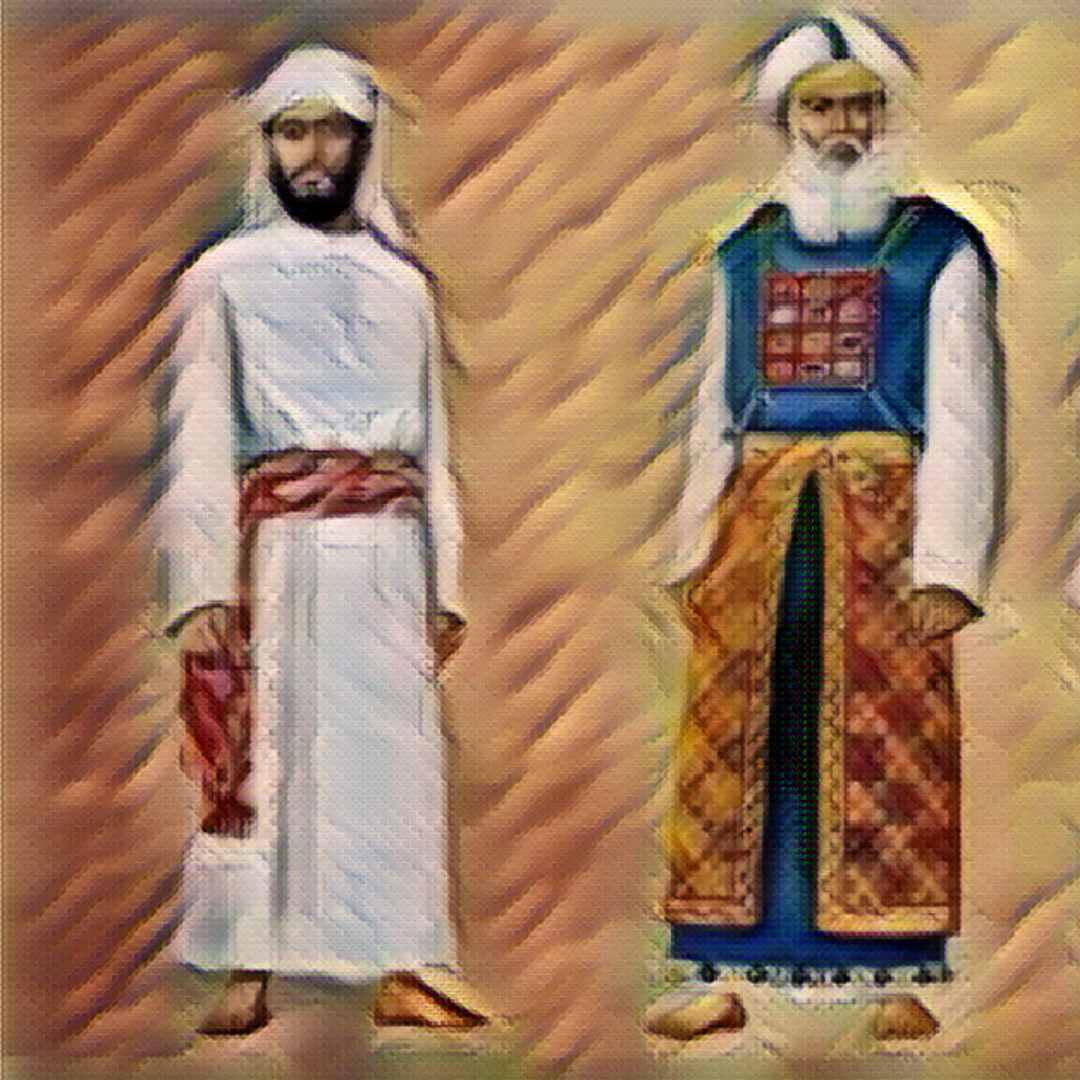
Divrei Torah - G-d commanded that special lavish garments were to be made for Aaron and his offspring to wear while performing their service in the Mishkan (Tabernacle)

For Glory and Splendor

We read in the Torah section of Tetzave (Sh’mot 28:2-4), “And you shall make vestments of sanctity for Aaron your brother, for glory and splendor. 

Divrei Torah - was once customary in medieval times to name children after their own grandparents – even if the grandparents were still alive

Names of the Children of Israel

Upon pondering the Torah section of Tetzave and its various mentions of the term “names of the children of Israel ” (Sh’mot 28:9 et al),
Purim

Divrei Torah - Book of Esther’s narrative is plausible

Day of Rescue

Every year, on the 14th day of Adar in unwalled towns and on the 15th day of Adar in walled towns, we celebrate a relatively
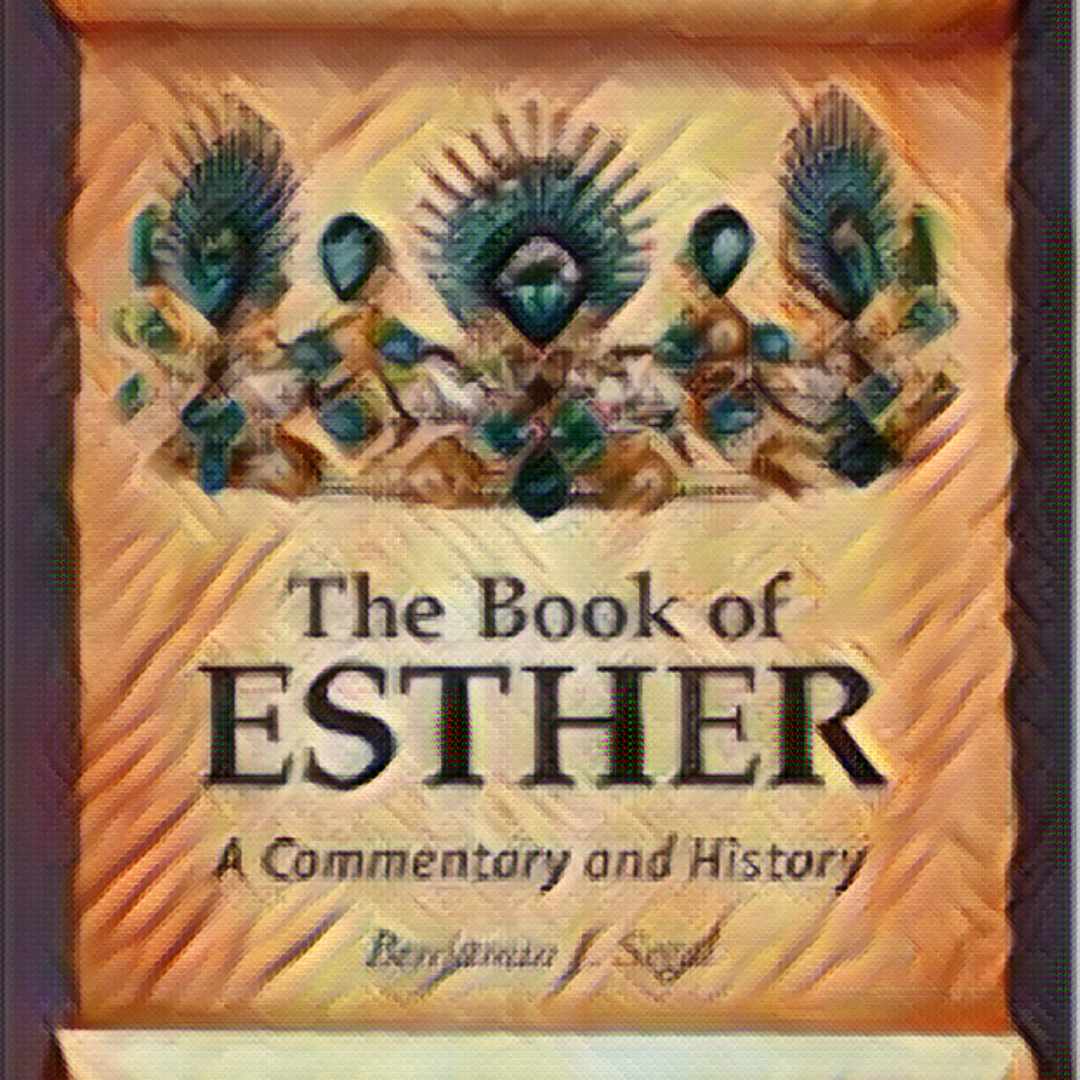
Divrei Torah - Book of Esther

Observations on a Book

As Jews around the world hale the commencement of the joyous month of Adar and prepare for Ta’anit Esther (Fast of Esther), the fast that

Divrei Torah - we celebrate on Purim

Not Just a Celebration of the Past

On the day of Purim, observant Jews include in their prayers three times a day their appreciation to G-d: “For the miracles, and for the

Ki Tisah

Divrei Torah - and the people gathered around Aaron and said to him, ‘Rise up, make for us a god that will go before us

Following the Crowd

The Torah portion of Ki Tisah concludes a lengthy series of instructions concerning the many components of the Mishkan (Tabernacle), predecessor to the Bet HaMikdash
Divrei Torah - The Tablets are described (Sh’mot 32:15

No Matter How You Turn It

In the Torah section of Ki Tisa, we read G-d’s instructions for contributing to the holy service in the Mishkan as well as the inauguration of its

Vayakhel

Divrei Torah - repetition in the account of the Tabernacle is a sign of love and distinction, showing that G-d desires the work

Working Together

The Torah section of Vayakhel begins, “And Moses assembled the entire assembly of the children of Israel and said to them, ‘These are the things

Divrei Torah - The term Mishkan, R. Dessler tells us, denotes G-d’s dwelling place

Rejoice in Trembling

In the Torah section of VaYakhel and continued into the Torah section of Pekude, Moses repeats to the nation, whom he has led through the
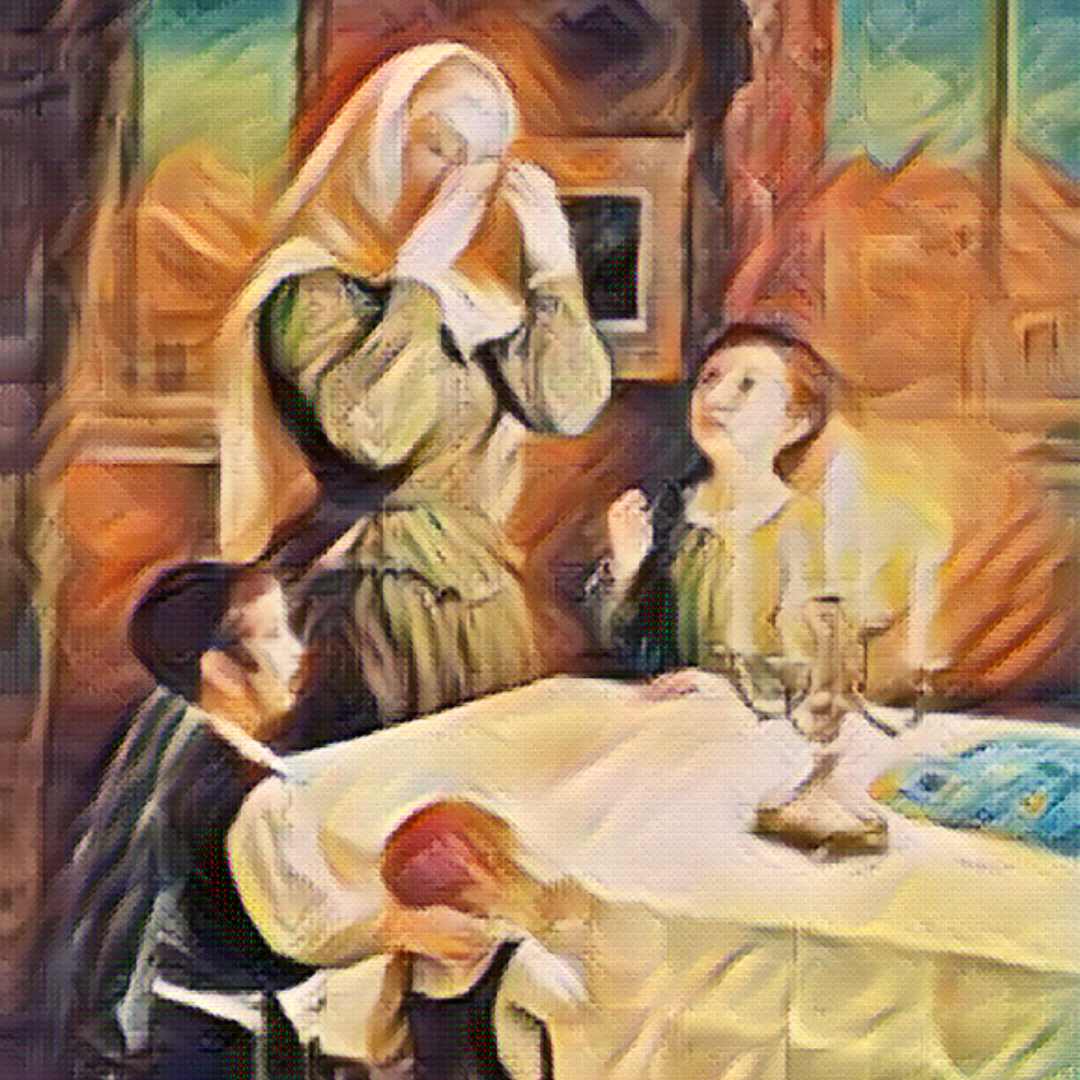
Divrei Torah - On six days, work may be done, but the seventh day shall be holy for you

Gather Around

We read in the beginning of the Torah section of VaYakhel (Sh’mot 35:1-2): “And Moses gathered the entire assembly of the Children of Israel and

Pekudei

Divrei Torah - G-d revealed to King Solomon the site upon which to construct the magnificent and unique Bet Hamikdash

The Place the L-rd Shall Choose

Throughout the latter part of the book of Sh’mot, the narrative of the Torah revolves heavily upon the preparations for setting up the Mishkan, the

Divrei Torah - listing of the amounts of gold, silver and copper which were contributed towards the construction of the Mishkan (Tabernacle)

Accountings of the Tabernacle

The Torah section of Pekudei begins (Sh’mot 38:21): “These are the accountings of the Tabernacle … which were counted at the behest of Moses.”  This verse

Divrei Torah - Moses our great leader, saw it fitting to make a detailed accounting of how all the contributions

Accountability is Important for All

We find, when reading the Torah portion of Pekudei, that, when Moses appealed to the nation of Israel to provide funds and raw materials needed

Vayikra

Vayikra

Divrei Torah - beginning the introduction of Jewish children to Torah study with the study of this book, mainly revolving around the laws of sacrifices and ritual purity.

Train the Youth

The Torah section of Vayikra, which begins the third of the five books of Moses by the same name, begins, “And He called to Moses

Divrei Torah - Adam [a person] who shall offer from amongst you a sacrifice to G-d, from animals – from cattle or from sheep – shall you offer your sacrifice” (Vayikra 1:2)

Hands Off

The very first instruction imparted to Moses to relay to the people of Israel in the Torah section of Vayikra beginning the third book of

Divrei Torah - G-d instructs us: “If the anointed priest [kohen gadol] will sin … for his sin that he committed he shall offer a bull

Authority after Sin

In the Torah portion of Vayikra (4:2-23), G-d instructs us: “If the anointed priest [kohen gadol] will sin … for his sin that he committed
Tzav

Divrei Torah - The Torah section of Tzav concludes a series of instructions beginning at the start of the third book of the Torah, Vayikra, concerning the major sacrifices that make up the regular sacrificial service.

Sacrifices

The Torah section of Tzav concludes a series of instructions beginning at the start of the third book of the Torah, Vayikra, concerning the major sacrifices

Divrei Torah - (Vayikra 6:1-4): “And G-d spoke to Moses, saying: Command Aaron and his sons, saying: This is the law of the burnt-offering; it is the burnt-offering [that stays] on the flame, on the Altar, all night until the morning, and the fire of the Altar should be kept aflame on it.

Not too Big to Take Out the Ash

The Torah section of Tzav begins by telling us (Vayikra 6:1-4): “And G-d spoke to Moses, saying:  Command Aaron and his sons, saying: This is

Divrei Torah - in the Torah section of Tzav (Vayikra 6:23), “And any sin-offering from which some blood has been brought to the Tent of Meeting, to effect atonement within the Holy, shall not be eaten; it shall be burned in fire.”

Of Sound Mind

The Torah informs us in the Torah section of Tzav (Vayikra 6:23), “And any sin-offering from which some blood has been brought to the Tent

Pesach

Divrei Torah - holiday of Pesach

When the Bread Did Not Rise

Shortly before his death, our forefather Jacob, also known as Israel, emigrated with his wives and children and their wives and children to Egypt.  The

Divrei Torah - When we celebrate during this holiday of Pesach, we should not treat it as but a commemoration of what once was

Redemption Can be Swift

After Joseph’s being exiled to a foreign land, enslaved, falsely accused of a crime and imprisoned, we read (Bereshit 41:14), “And Pharaoh sent and summoned

Shmini

Divrei Torah - of the Torah portion of Shmini, we find a large concentration of laws concerning what is permitted or forbidden to be consumed

Prescription for a Diet

Towards the end of the Torah portion of Shmini, we find a large concentration of laws concerning what is permitted or forbidden to be consumed.  In fact,

Divrei Torah - The Torah section of Shmini tells us of the sad incident involving the death of Aaron’s two prestigious sons, Nadav and Avihu

Humility not Stupidity

The Torah section of Shmini tells us of the sad incident involving the death of Aaron’s two prestigious sons, Nadav and Avihu.  Despite their greatness,

Divrei Torah - Nadav and Avihu were great individuals. Yet we are told (Vayikra 10:1) that they sinned, having “brought before G-d an alien fire that He had not commanded them.

Greatness Does Not Preclude Humility

The Torah portion of Shmini includes, among instructions to the kohanim (priests) for the inauguration of the Mishkan (Tabernacle) during the sojourn of the Children of Israel in the

Tazria

Divrei Torah - Torah reports, “And the rib, which the L-rd G-d had taken from man, made He a woman” (Bereshit 2:22)

The Woman in Society

At the beginning of the Torah section of Tazria and towards the end of the Torah section of Metzora, the Torah provides us a sampling of some of the

Divrei Torah - The worst type of individual, the Chatam Sofer points out, is one who is two-faced

Showing One’s True Colors

Towards the end of the Torah section Tazriah, after a series of instructions concerning the contraction of tzara’at (loosely translated as leprosy), we learn of a case
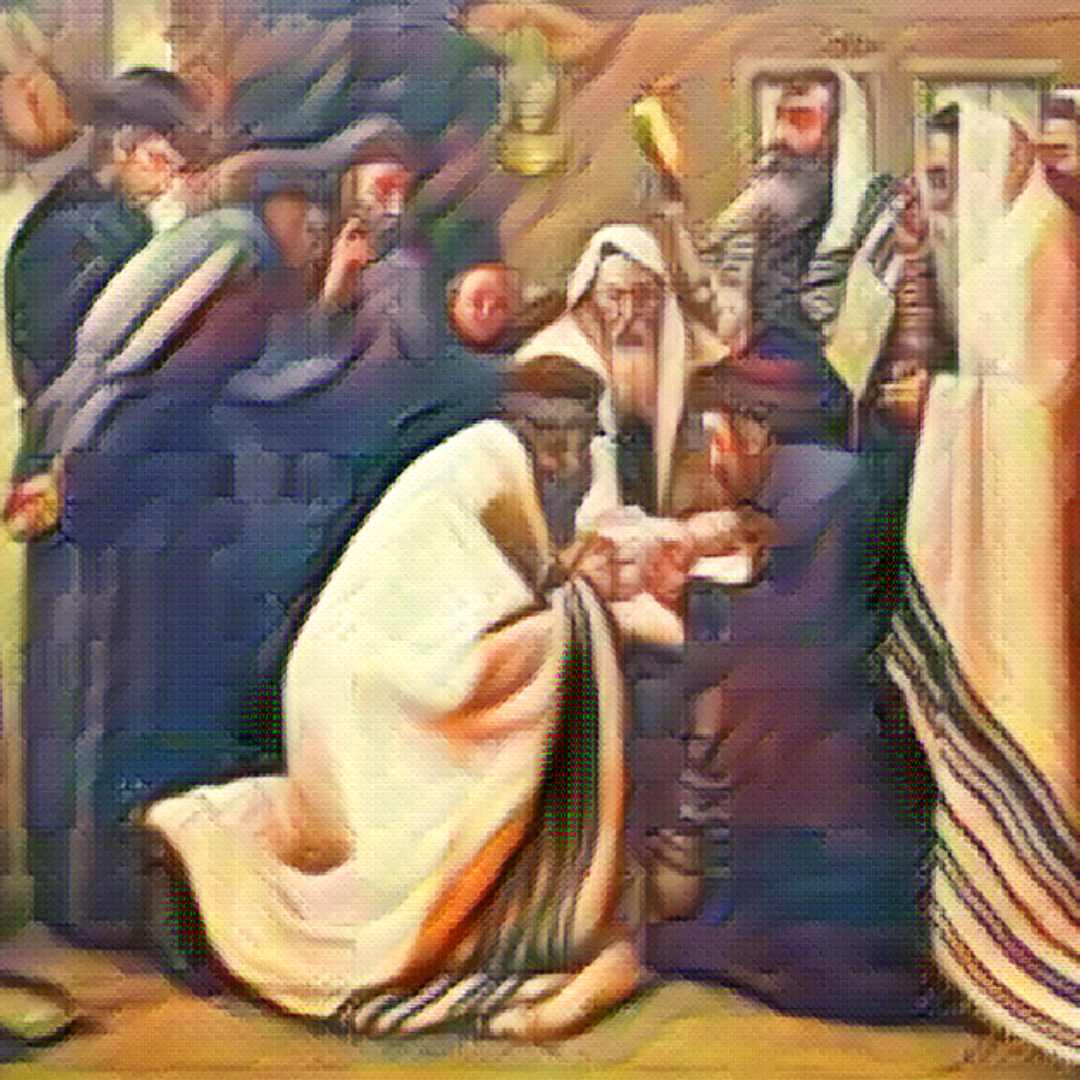
Divrei Torah - (Vayikra 12:3), “And on the eighth day, the flesh of his foreskin shall be circumcised

First is First

In the beginning of the Torah portion of Tazria, we read (Vayikra 12:3), “And on the eighth day, the flesh of his foreskin shall be
Metzora

Divrei Torah - guilt-offering for a wave-service to provide atonement for him; and one tenth-ephah of fine flour mixed with oil for a meal-offering, and a log of oil.

Be All that You Can Be

In Chafetz Chaim al ha’Torah, R. Yisrael Meir Kagan, the late 19th century and early 20th century Torah great popularly known as the Chafetz Chaim,

Divrei Torah - Our Sages tell us (Babylonian Talmud, Arakhin 16a), the metzora is someone who has been afflicted by G-d with a semblance of leprosy for performing any of seven sins including lashon hara, derogatory speech

Let Your Eyes Look Straight

In the beginning of the Torah portion of Metzora, we are told of the “law of the metzora.”  Our Sages tell us (Babylonian Talmud, Arakhin 16a),
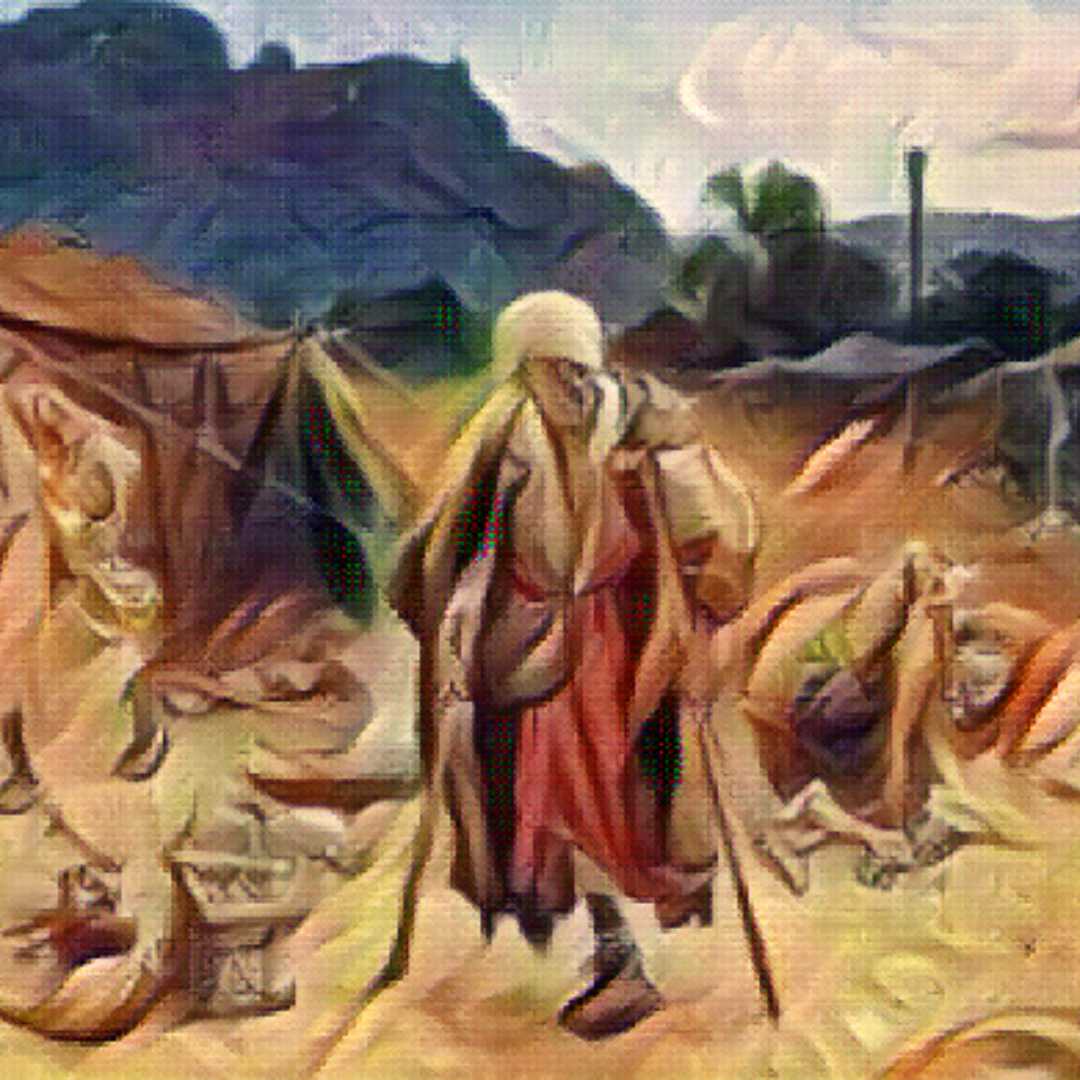
Divrei Torah - tzara’at.

Living in Isolation

The Torah portion of Tazria begins with a small section on the procedure to be followed pursuant to the birth of a child: “When a

Acharei

Divrei Torah - In bygone days, several generations ago, as some of us were able to glean from older teachers and family members, Torah education was comprehensive, thorough and intense

There is a Time to Love

The Torah portion of Acharei begins with a reminder of the death of two of Aaron’s children Nadav and Avihu, referred by G-d Himself as “those

Divrei Torah - In the prophetic book of Shmuel (Shmuel I, chapters 4-6), we read of the Philistines’ capture of the Holy Ark

A Question of Priorities

Towards the end of the Torah section of Acharei, we find the prohibition of giving one’s children over to the pagan worship of Molekh, a

Divrei Torah - In the Torah portion of Acharei, we read (Vayikra 16:30), “For on this day [Yom Kippur] he shall provide atonement for you to purify you from all your sins; before G-d shall you be purified

Father in Heaven

In the Torah portion of Acharei, we read (Vayikra 16:30), “For on this day [Yom Kippur] he shall provide atonement for you to purify you

Kedoshim

Divrei Torah - Abraham, Isaac and Jacob, as well as Joseph, Moses and David, who, in the process of “going the extra mile” and reaching out to their fellow, slipped up ever so slightly during their rich lives,

You Shall Be Holy

The Torah portion of Kedoshim begins, “G-d spoke to Moses saying: Speak to the entire assembly of the children of Israel and say to them:

Divrei Torah - n the Torah section of Kedoshim, we find the famous verse (Vayikra 19:18), “Love your neighbor as yourself.”

Do Not Deny Another

In the Torah section of Kedoshim, we find the famous verse (Vayikra 19:18), “Love your neighbor as yourself.”  Many, upon reading this verse, wonder as

Divrei Torah - Our Sages are teaching us that if we would have more “love another like oneself” in the world, we would have less “coveting” in the world – love prevents jealousy.

Love Prevents Jealousy

In the beginning of the Torah portion of Kedoshim, the renowned medieval commentator R. Moshe ben Nachman, a.k.a. Ramban or Nachmanides cites a statement of

Emor

Divrei Torah - The Torah section of Emor begins (Vayikra 21:1-23): “And G-d said to Moses: Say to the priests the sons of Aaron and tell them: Each of you shall not contaminate himself to a [dead] person among his people.

Higher Expectations

The Torah section of Emor begins (Vayikra 21:1-23): “And G-d said to Moses: Say to the priests the sons of Aaron and tell them: Each

Divrei Torah - sefirat ha-Omer, counting of the Omer.

Counting the Days

In middle of the Torah portion of Emor (Vayikra 23:10-16), we are given instructions related to a precept that we are always involved in at

Lag BaOmer

Divrei Torah - we are enjoined by the Torah: “And you shall count … seven weeks … you shall count fifty days” (Vayikra 23:15-16)

Break for Joy

From the second day of Pesach (Passover) until the onset of Shavuot, we are enjoined by the Torah: “And you shall count … seven weeks
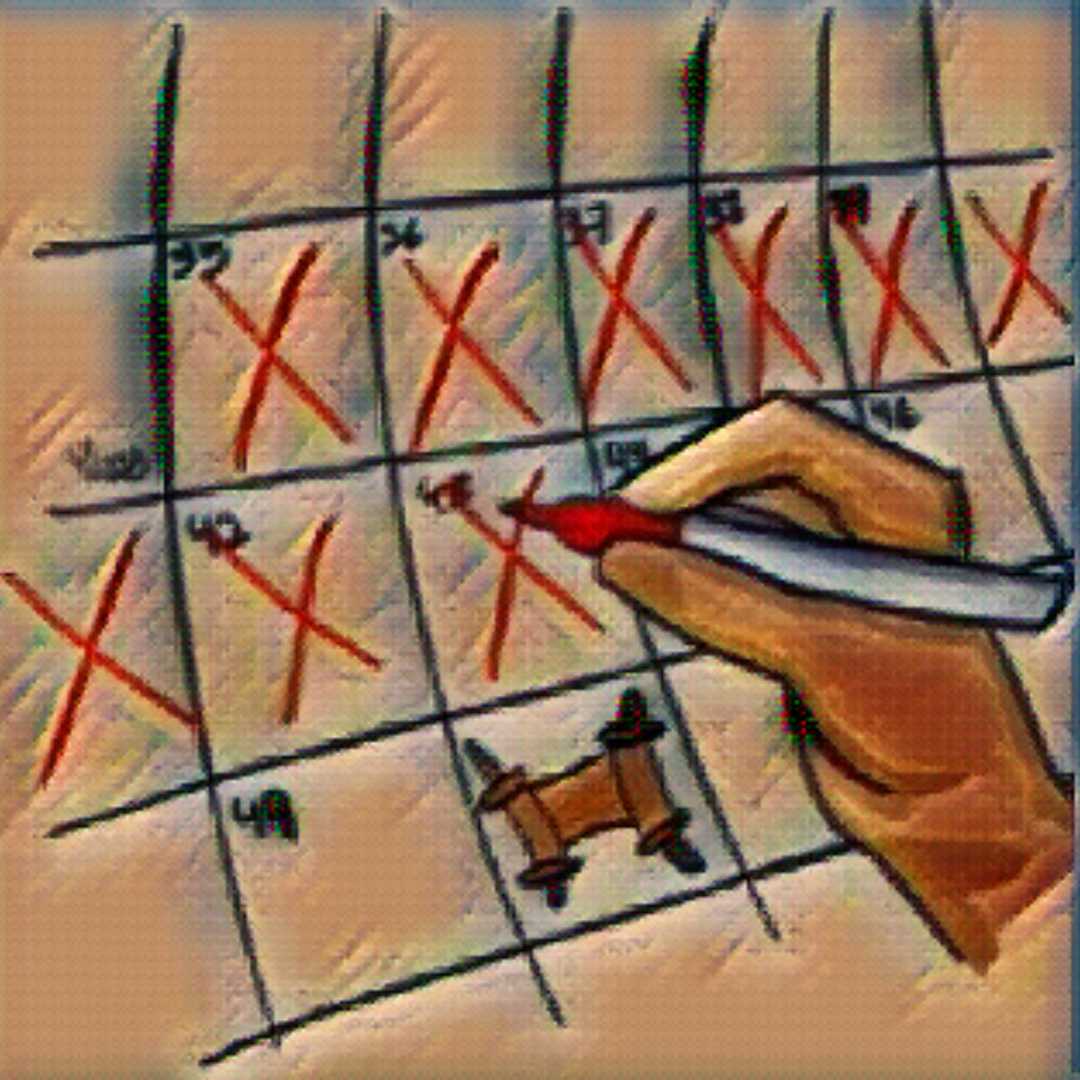
Divrei Torah - the nation of Israel is commanded (Vayikra 23:15 -16), “And you shall count for yourselves from the morrow of the rest day, from the day when you bring the omer of the waving seven weeks, they shall be complete.

What Counts

Between the first day of Pesach, commemorating the Israelites’ exodus from Egypt, and the following holiday of Shavuot, commemorating the Israelites’ receiving G-d’s Torah, is

Divrei Torah - Lag BaOmer

A Question of Joy

  As the 18th day of the Hebrew month of Iyyar approaches every year, hundreds and thousands of Jews in Israel and even many from abroad

Behar

Divrei Torah - the seventh year shall be a sabbath of rest for the land…you shall not sow your field nor prune your vineyard.

Spreading the Joy

In the beginning of the Torah section of Behar, we are told, “Six years you shall sow your field and six years you shall prune your vineyard

Divrei Torah - in the Torah section of Behar (Vayikra 25:20-22): “And if you will say, ‘What will we eat in the seventh year?, behold, we will not sow and not gather in our crops!’

Accepting Imperfection in Others

We read in the Torah section of Behar (Vayikra 25:20-22): “And if you will say, ‘What will we eat in the seventh year?, behold, we
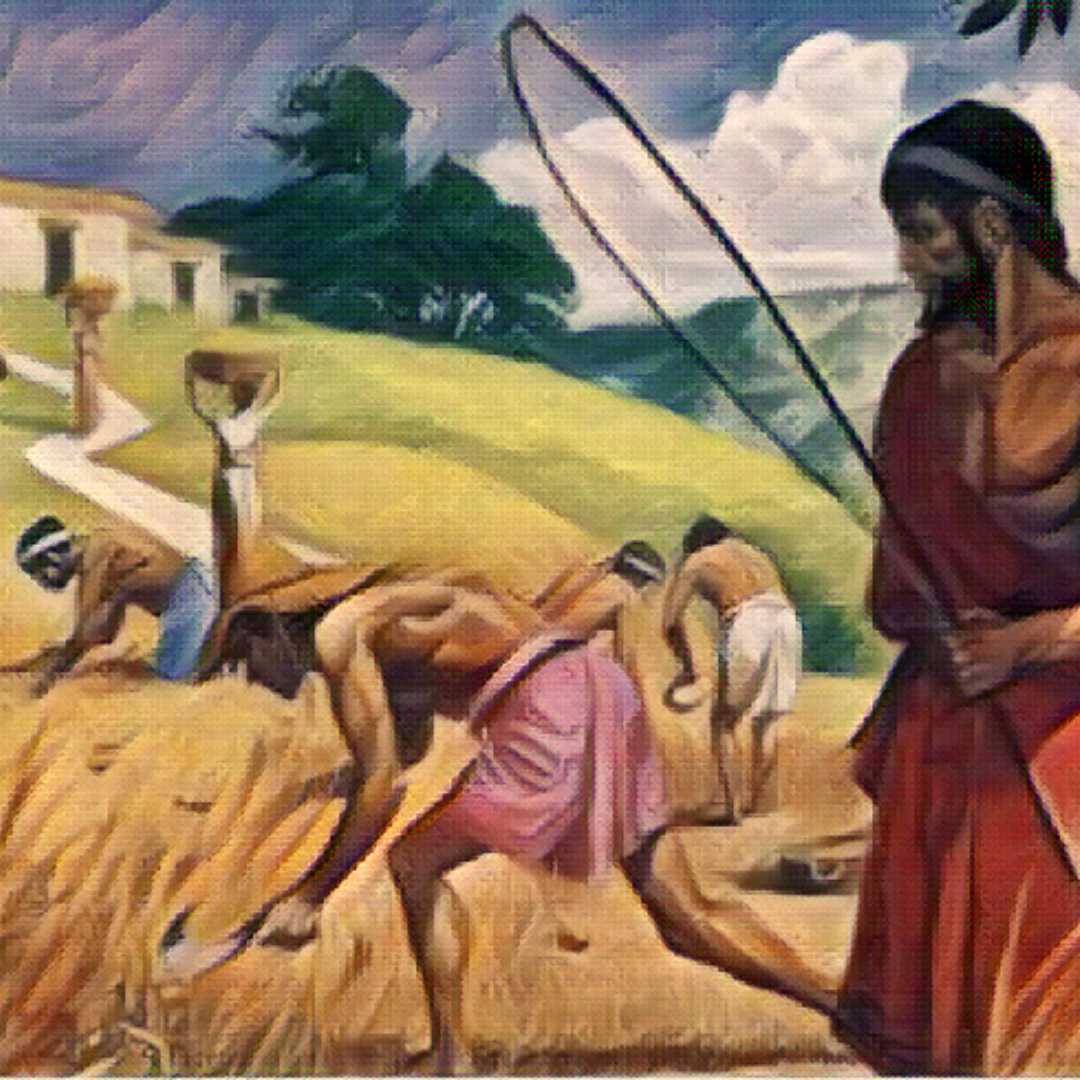
Divrei Torah - Torah portion of Behar, we read (Vayikra 25:39-43), “If your brother becomes impoverished with you and is sold to you, you shall not work him with slave labor

Watch What You Say

In the Torah portion of Behar, we read (Vayikra 25:39-43), “If your brother becomes impoverished with you and is sold to you, you shall not
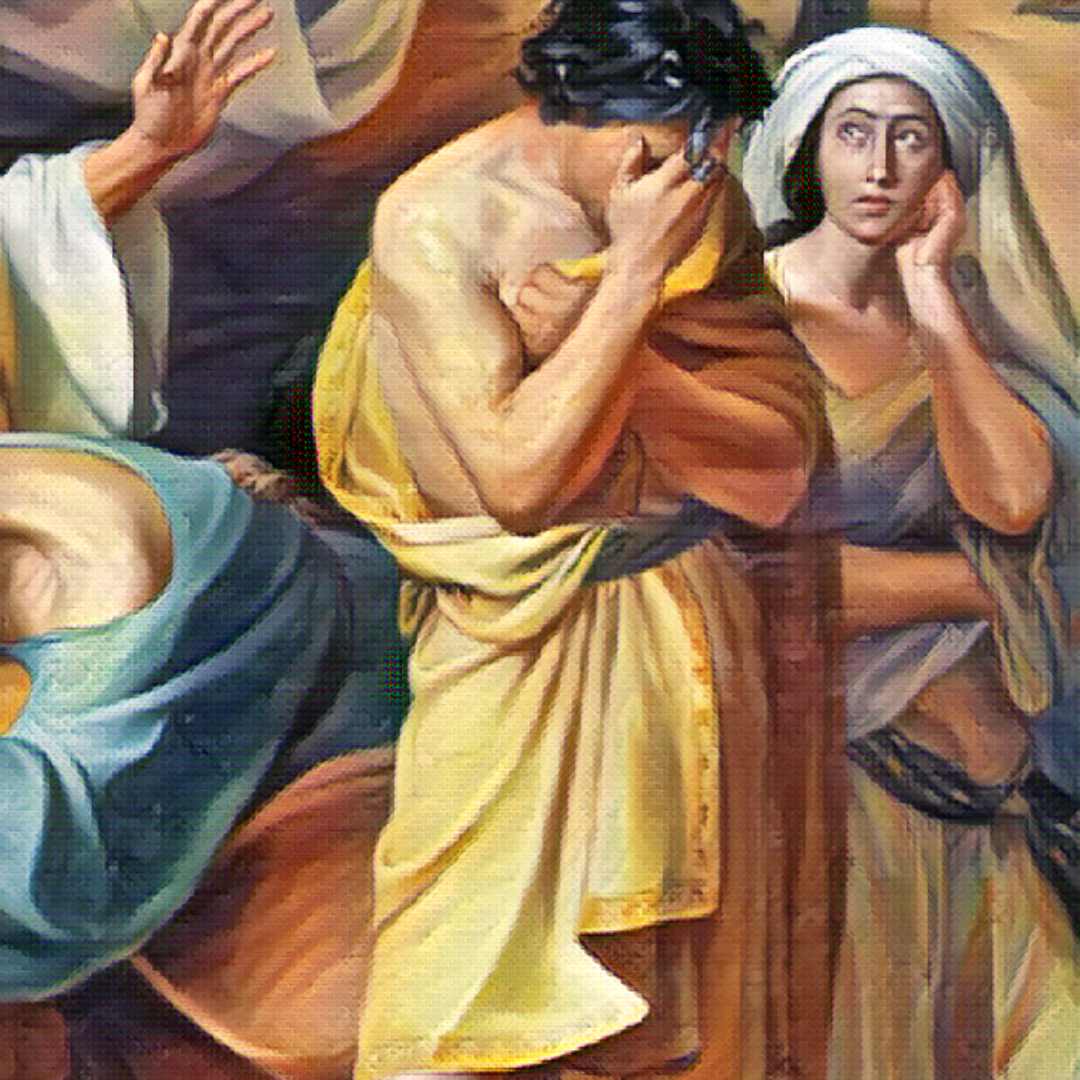
Bechukotai

Divrei Torah - We read the tokhocha (admonition), a sobering report of punishments, frustrations and curses that G-d promises those who undermine His covenant

You Can Run but You Cannot Hide

The Torah section of Bechukotai begins with an account of the blessings that await the people of Israel if they fulfill their covenant with  G-d. 

Divrei Torah - “It is a positive precept in the Torah to cry out and sound the trumpets for any misfortune that befalls the community…

Path of Cruelty

We read in the Torah portion of Bechukotai (Vayikra 26:27-28), “If…you behave toward Me with casualness.  I will behave toward you with a fury of
Bamidbar

Bamidbar

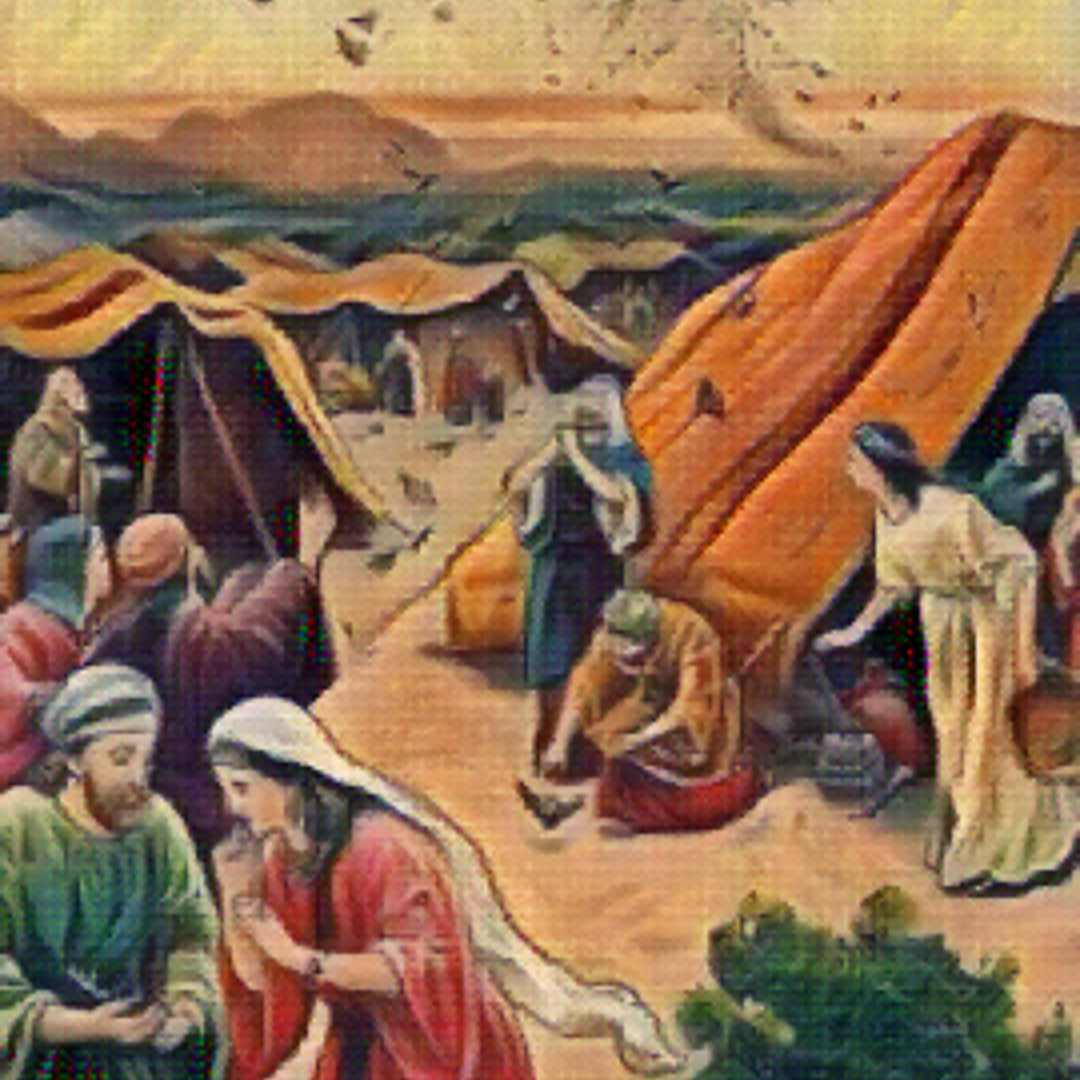
Divrei Torah - The Torah section of Bamidbar begins (1:1-4): “And G-d spoke to Moses…Take a census of the entire assembly of the children of Israel according to their families, according to their fathers’ household, by number of the names…

Consider What You Have

The Torah section of Bamidbar begins (1:1-4): “And G-d spoke to Moses…Take a census of the entire assembly of the children of Israel according to their
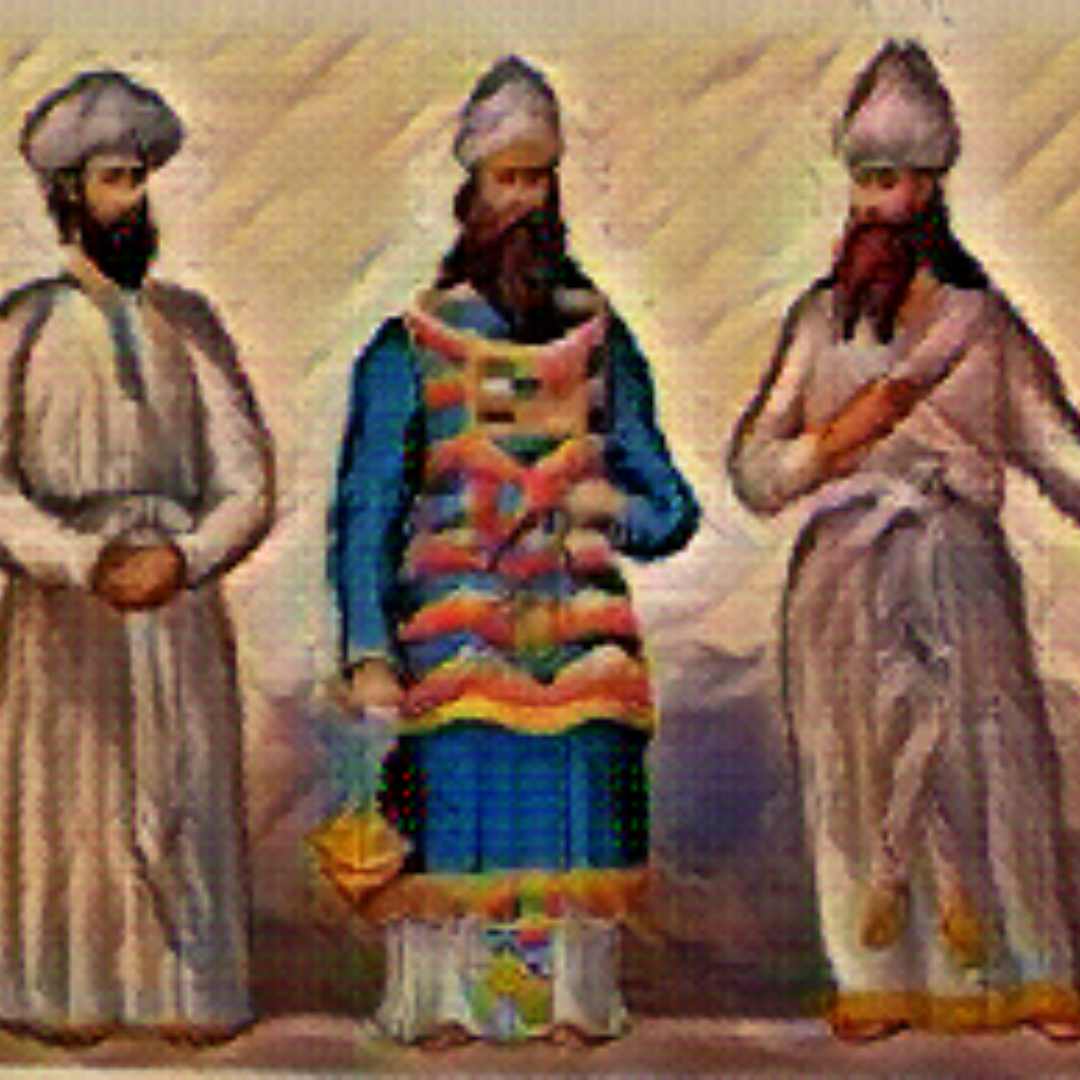
Divrei Torah - Bamidbar (3:6-8), G-d tells Moses, “Bring near the tribe of Levi and have it stand before Aaron the Priest, and they shall serve him.

The Righteous Shall Flourish

In the Torah section of Bamidbar (3:6-8), G-d tells Moses, “Bring near the tribe of Levi and have it stand before Aaron the Priest, and

Divrei Torah -issue of balance of piety tends to arise often with regards to the yahrtzeit(anniversary of death) of a parent, a time when a child tries to earn merit for the father or mother that passed away, but, often, in the process of seeking this merit, the child may actually do otherwise.

Look at the Big Picture

In one of his talks on the weekly Torah reading (Sholom Smith, A Vort from Rav Pam, pp. 169-170), R. Avraham Pam notes that in
Shavuot

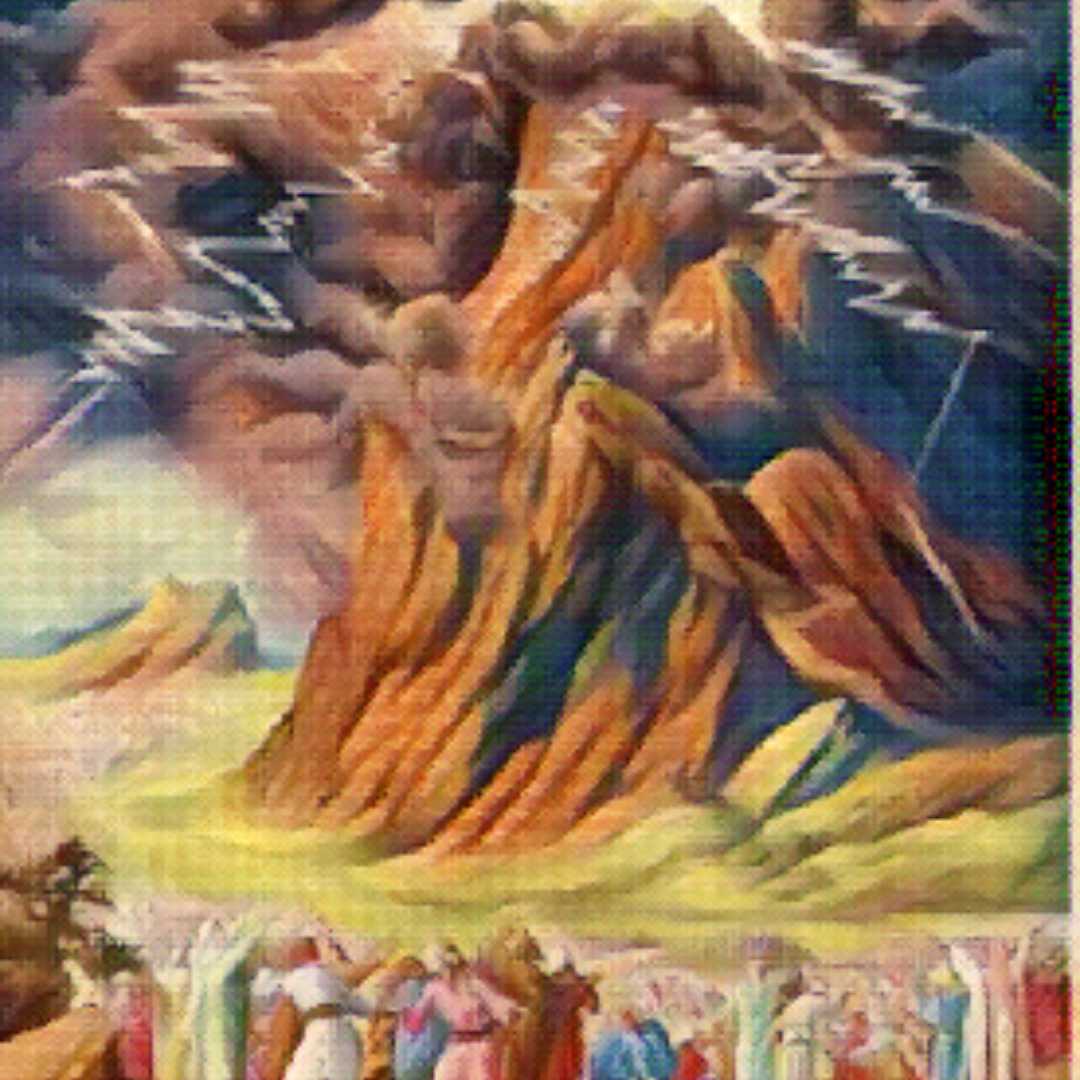
Divrei Torah - And be ready for the third day, because on the third day the L-rd will descend in the sight of all the people upon mount Sinai‘

It Happened on a Mountain

In Sh’mot 19:1-18, we are told, “On the third month, after the exodus of the children of Israel from the land of Egypt, in this

Divrei Torah - (Sh’mot 19:1-2), “In the third month from the exodus of the children of Israel from Egypt, on this day, they arrived at the wilderness of Sinai

As One

We read (Sh’mot 19:1-2), “In the third month from the exodus of the children of Israel from Egypt, on this day, they arrived at the

Divrei Torah - At the beginning of the Shemona Esrei prayer, one beseeches G-d, “My L-rd, open my lips, that my mouth may declare Your praise.”

For the Love of G-d

The venerated father-in-law of this essay’s author, R. Hersh Rosenhan, one of the earliest devoted students in America of the illustrious Torah luminary R. Aaron
Naso

Divrei Torah - on the day that Moses finished erecting the Tabernacle that he anointed it, sanctified it and all its utensils, and the alter and all its utensils…The leaders of Israel…brought offerings…They brought their offering before G-d, six covered wagons and twelve oxen.” (Bamidbar 7:1-3)

Each One’s Actions are Special

In the Torah section of Naso, we read a rather perplexing narrative concerning a special presentation offered by the nesi’im (leaders) of each of the

Be On Guard

In the Torah section of Naso, G-d tells Moses (Bamidbar 6:2-3), “Speak to the children of Israel and say to them: A man or a

Behaalotkha

Want to be Normal

In the Torah portion of B’Ha’alotkha, we find a narrative that, as the renown latter day Torah scholar R. Shimshon Pincus  (1944 – 2001) points out in

In All My House He is Trusted

The Torah portion of Beha’alotkha concludes with a narrative surrounding Moses and his brother and sister Aaron and Miriam in which G-d testifies to Moses’

Tolerance of Difference

Towards the end of the Torah section of Beha’alotkha, after Miriam, with her brother Aaron’s consent, spoke disparagingly about Moses for distancing himself from his

Shelach

Power of a Woman

In the beginning of the Torah section of Shlach, Moses changes the name of his faithful student, destined to bring the People of Israel into

Have It Your Way

It is said about the latter day Torah luminary R. Yaakov Kamenetsky that he was very exacting in adhering to the customs of his father

Korach

It is How You Say It

In the Torah section of Korach, the Torah tells us of an unwarranted and baseless assault by Korach, borne by jealousy, on the characters of

The Lion and the Fox

In a letter to his students (Mikhtav M’Eliyahu, pp. 304 – 306), the venerated mashgiach of Yeshivat Ponovezh (1892 – 1953), R. Eliyahu Dessler makes a noteworthy

Chukat

Keep in Mind Who’s Boss

In the Torah section of Chukat, the Torah goes into length about a specific incident wherein Moses erred.  The people of Israel were thirsting for water.  G-d

Need to Scrutinize Our Actions

In the Torah section of Chukat, we read (Bamidbar 20:7-13): “And G-d spoke to Moses saying:  ‘Take the staff and gather together the assembly, you

Impossible to Fathom

The Torah section of Chukat begins with a description of the law of the red heifer that is to be brought in the event of

Balak

Give It to Me Straight

On the Torah section of Balak, the great Hasidic Rebbe, R. Meir Pramishlan (1703–1773), disciple of the Baal Shem Tov, asks a basic question: Why is this

How Goodly are Your Tents

As one of his forced forms of recognition of the positive nature of the children of Israel, Bilam remarks in the Torah section of Balak

Pinchas

Never Lose Hope

Amidst a lengthy enumeration of the different tribes of the nation of Israel, upon their impending entry into the land promised them by G-d, we

Two Hands are Better than One

Upon discussing the Torah section of Pinchas, the renowned rosh yeshiva of Yeshiva Torah Va’Daat, R. Avraham Yaakov Pam makes an intriguing comment (Sholom Smith, A Vort from

Like a Fig Tree

In the Torah section of Pinchas, G-d chooses Joshua, Moses’ devoted student who “would not depart from within the tent” (Sh’mot 33:11), always at Moses’

Matot

Unquestioning Loyalty

We read in the beginning of the Torah section of Matot (Bamidbar 31:1-2), “And G-d spoke to Moses, saying: ‘Take vengeance for the children of

Proper Proportions

The Torah section of Matot encompasses three sub-sections: G-d’s precepts and regulations concerning vows (Bamidbar 30:2-17), G-d’s instructing the children of Israel to avenge themselves

Look to G-d

Towards the end of the Torah section of Matot, we read of the tribes of Reuven and Gad approaching Moses to request that they be

Masei

Patience is a Virtue

In the Torah section of Masei, we read (Bamidbar 33:50-53): “And G-d spoke to Moses in the plains of Moav, by the Jordan, at Jericho, saying:  ‘Speak

Do Not Flatter the Wicked

In the Torah section of Mas’ei, we read (Bamidbar 35:31-33): “You shall not accept ransom for the life of a killer who is worthy of

On the Road to Growth

The Torah portion of Masei begins (Bamidbar 33:1): “These are the journeys of the Children of Israel, who went forth from the land of Egypt

Devarim

Devarim

G-d in Heaven and on Earth

We read in the beginning of the Torah section of Devarim, in his final discourse before his death, Moses, amongst a series of recollections concerning the people

Respecting Another’s Feelings

The first words of the Torah section of Devarim are: “These are the words that Moses spoke to all Israel, across the Jordan, in the

Need to Appreciate What We Have

In the beginning of the Torah section of Devarim (Devarim 1:13), we find the unusual term eikhah (how) used as Moses rebukes the people of Israel: “How

Fast Days/Tisha B'Av

Time to Contemplate

Five times during the year, other than the Biblical day of atonement Yom Kippur, the people of Israel are encouraged to fast: Tzom Gedaliah, Asara

Turn for the Worse

Upon reading the Torah section of Shelach, we learn that from the desert, Moses sent spies to scout out the land that G-d promised to

Hungering for What Was

Five times during the course of the year, aside from the Biblically enjoined day of Yom Kippur, observant Jews the world over engage in fasting:

VaEtchanan

One Day in Seven

In the Torah section of VaEtchanan, G-d commands the people of Israel, “Safeguard the Sabbath day to sanctify it…  Six days you shall labor and do all

Marriage Made in Heaven

Introducing his repetition of the Ten Commandments in the Torah section of VaEtchanan, Moses tells us, “Face to face did G-d speak with you on

Nobody Should be Pushed Away

In the Torah section of Va’Etchanan, we find a repetition of the famous Ten Commandments presented to the people of Israel in the desert subsequent

Eikev

Rewarding the Good

The Torah section of Eikev begins (Devarim 7:12-15): “And it will be because of your listening to these ordinances, and your observing and performing them; then

Song to G-d

In the beginning of the Torah section of Eikev, Moses reminds us of “The great tests that your eyes saw, and the signs, the wonders,

It is Heavenly

In the Torah section of Eikev (Devarim 8:11-18), we are warned: “Take care lest you forget the L-rd your G-d by not observing His commandments,

Re'eh

Stork is not Kosher

In the Torah section of Re’eh, Moses repeats the various animals and creatures that G-d deems unfit for consumption, known colloquially as not being kosher,

Takes All Kinds to Make a World

In the Torah portion of Re’eh, we read, “You are children to the L-rd your G-d, you shall not cut yourselves” (Devarim 14:1).  Our Sages

Shoftim

A Matter of Order

We read in the Torah section of Shoftim (Devarim 17:8-11): “If a matter of judgment is hidden from you, between blood and blood, between verdict and

Doing that which is Upright in the Eyes of G-d

In the Babylonian Talmud, Arakhin 16a, we learn that there are two forbidden actions, murder and lashon hara (tale bearing), for which atonement cannot be achieved through regular

Obligation to Relate

In the Torah section of Shoftim, we read (Devarim 17:18), “And when he [the king] sits on his throne, he shall write two copies of

Ki Tetze

When You Go Out to War

“When you will go out to war against your enemies…” (Devarim 21:10).  So begins the Torah section of Ki Tetze, the reading from the Torah, the five

Fair is Fair

In the Torah section of Ki Tetze, the Torah unequivocally declares (Devarim 23:21), “You may charge interest to the gentile, but to your brother you

Do not Turn your Back

In one of his regular talks, the noted rosh yeshiva of Ner Yisrael in Baltimore, Rabbi Yissocher Frand mentioned an incident that occurred in McKeesport, Pennsylvania some

Ki Tavo

Of Visions, Signs and Authors

In the Torah section of Ki Tavo, as he nears the end of his final exhortation to the nation of Israel before taking leave of his

Get the Message

In the Torah section of Ki Tavo, we read the verse (Devarim 28:2), “And all these blessings will come upon you and they will reach

Let Us Not Get Carried Away

We find in the Torah portion of Ki Tavo that In the course of admonishing the nation of Israel prior to their entry into the

Nitzavim

Standing and Moving

In the beginning of the Torah section of Nitzavim, we read: “You are standing today, all of you, before the L-rd, your G-d: your heads, your tribes,

You Shall be Only Above

The Torah section of Nitzavim is dedicated to Moses’ exhortation to the children of Israel to adhere to G-d’s Word as set forth in the

Stop and Think

In the beginning of the Torah portion of Nitzavim, Moses, before he passes on, addresses a gathering of the People of Israel and begins to

VaYelekh

Turn to G-d

In the Torah section of VaYelekh, G-d offers some parting words to Moses before he hands over leadership of the nation to his trusted student

More Than a Piece of Paper

In the Torah section of VaYelekh, we are enjoined, “And now, write this song for yourselves, and teach it to the Children of Israel” (Devarim

Strive for Consistency

In the Torah portion of VaYelekh, amongst Moses’ parting words before his passing, we read (Devarim 31:12-13), “Gather together the people – the men, the

Rosh HaShana

When the Year Begins

In Vayikra 23:24-25, G-d tells us: “In the seventh month [Tishre] on the first of the month, you shall have a day of rest, a

How are You Doing?

As we approach the beginning of the Jewish High Holy Days, known as Rosh HaShana, an anecdote involving one of our latter-day great Torah scholars

Understanding our Position

A concept central to the holy day of Rosh HaShana that marks the Jewish New Year is, as found in the second mishna of the

HaAzinu

Remember the Days of Yore

In the beginning of the Torah portion of Ha’azinu (Devarim 32: 7-9), we read: “Remember the days of yore, understand the years of generation after generation.  Ask

The Rope of Jacob

In the Torah section of HaAzinu, among Moses’ parting floral admonition and foretelling of the future of the Children of Israel whom he led through

Forgetting

In Moses’ parting admonishment of the people of Israel before he leaves the material world, we read in the Torah section of Ha’Azinu, “You ignored

Yom Kippur

Day of Atonement

In Vayikra 23:27, G-d informs the people of Israel, “On the tenth day of this seventh month [Tishre] shall be a day of atonement, a

Mistakes Happen to the Best of Us

As the Jewish day of atonement, Yom Kippur, comes upon us, it is advisable to keep in mind a comment by R. Barukh HaLevi Epstein,

Sukkot

Four Species and a Hut

In Vayikra 23:34, G-d commands Moses to inform the people of Israel, “On the fifteenth day of this seventh month [Tishre] shall be the feast

Back to Basics

In the midst of the unfathomable turmoil and brutality that typified the Nazi era, R. Reuven Grozovsky (1886 – 1958) eloquently addressed the townspeople of

Appreciating the Simple Life

 On Pesach, we celebrate G-d’s forging us into a free and independent nation with no one to answer to except for Him.  A couple months

V'Zot Habracha

Gift to Hold On To

The last Torah section of the Five Books of Moses, V’Zot HaBracha, commands a special mark of distinction.  As observant Jews around the world have

Like Writing in the Torah

In the Torah section of Vzot HaBracha, Moses offers a parting blessing to the nation he led through the desert.  As a preface to his

Best Wishes before a New Beginning

In the supplication preceding the obligatory passage of Shema read in the morning by religiously observant Jews the world over, we find, “Our Father, the

Fast Days/Tisha B'Av

Time to Contemplate

Five times during the year, other than the Biblical day of atonement Yom Kippur, the people of Israel are encouraged to fast: Tzom Gedaliah, Asara

Turn for the Worse

Upon reading the Torah section of Shelach, we learn that from the desert, Moses sent spies to scout out the land that G-d promised to

Hungering for What Was

Five times during the course of the year, aside from the Biblically enjoined day of Yom Kippur, observant Jews the world over engage in fasting:

VaEtchanan

One Day in Seven

In the Torah section of VaEtchanan, G-d commands the people of Israel, “Safeguard the Sabbath day to sanctify it…  Six days you shall labor and do all

Marriage Made in Heaven

Introducing his repetition of the Ten Commandments in the Torah section of VaEtchanan, Moses tells us, “Face to face did G-d speak with you on

Nobody Should be Pushed Away

In the Torah section of Va’Etchanan, we find a repetition of the famous Ten Commandments presented to the people of Israel in the desert subsequent

Summation

Putting Things into Proportion

On the 6th day of the Hebrew month of Sivan, Jews all over the world commemorate G-d’s presenting the Torah to their ancestors several thousand years

Footnote

About the Author

RABBI YISRAEL KANIEL

RABBI YISRAEL KANIEL

Administrator and Rabbinical Advisor of B'Ahavat Yisrael

Born in New York to Yerushalmi parents, a nephew of Haifa’s late Chief Rabbi Yehoshua Kaniel, and link in a rabbinic lineage dating back to Rashi and Abravanel, Yisrael (Kane) Kaniel studied in Yeshiva Toras Chaim of South Shore and Yeshiva Derech Ayson of Far Rockaway, after which he graduated magna cum laude from Yeshiva College in 1982 and in the same year received his Master’s degree in Jewish Philosophy from Yeshiva University’s Bernard Revel Graduate School. Prior to his graduation, in addition to the ongoing Torah and Talmud studies, he engaged in an independent study of the entire Babylonian Talmud and Holy Scriptures along with other rabbinic literature, and, in 1985, he completed a program of study for rabbinic ordination at Yeshiva University’s Rabbi Isaac Elchanan Theological Seminary.During and following his studies, Rabbi Kaniel served as a librarian in two of New York’s most extensive Judaica libraries as well as a rabbi-cantor at several synagogues in New York.

During this time, Rabbi Kaniel also contributed Torah-related articles in Hebrew, English and Yiddish to various periodicals, and published In Quest of the Truth: A Survey of Medieval Jewish Thought. Rabbi Kaniel, later, embarked on a career in the field of software engineering, in which he served in several key positions and rose to the level of Senior Programmer Analyst in major software houses in the U.S. and Israel. After making aliya in 1992 and being employed for some 14 years in software development and maintenance, Rabbi Kaniel took the opportunity in the year 2000 to combine his varied talents as Manager of Operations in the newly formed B’Ahavat Yisrael organization for the sake of helping to provide for the varied needs of fellow Jews throughout Israel.Once having begun his responsibilities at B’Ahavat Yisrael, Rabbi Kaniel received a number of requests to share with the extensive list of readers of the organization’s materials his own thoughts and insights on Jewish Law and Lore. Subsequently, he began publishing weekly divrei Torah containing ideas and comments relating to a given Torah portion or Jewish holiday. The articles accumulated over time, and, for the benefit of the Jewish population at large, the essays in the following pages have been collected and compiled from selected divrei Torah of those that Rabbi Kaniel produced, during the course of his work for the benefit of his brethren, arranged according to the weekly Torah portions read in Jewish congregations and the Jewish holidays celebrated by observant Jews.