First is First

In the beginning of the Torah portion of Tazria, we read (Vayikra 12:3), “And on the eighth day, the flesh of his foreskin shall be circumcised.” In his Darash Moshe, the latter day Torah giant R. Moshe Feinstein comments on this verse and thereby delves into the meaning of this precept and related precepts. R. Feinstein […]
Greatness Does Not Preclude Humility
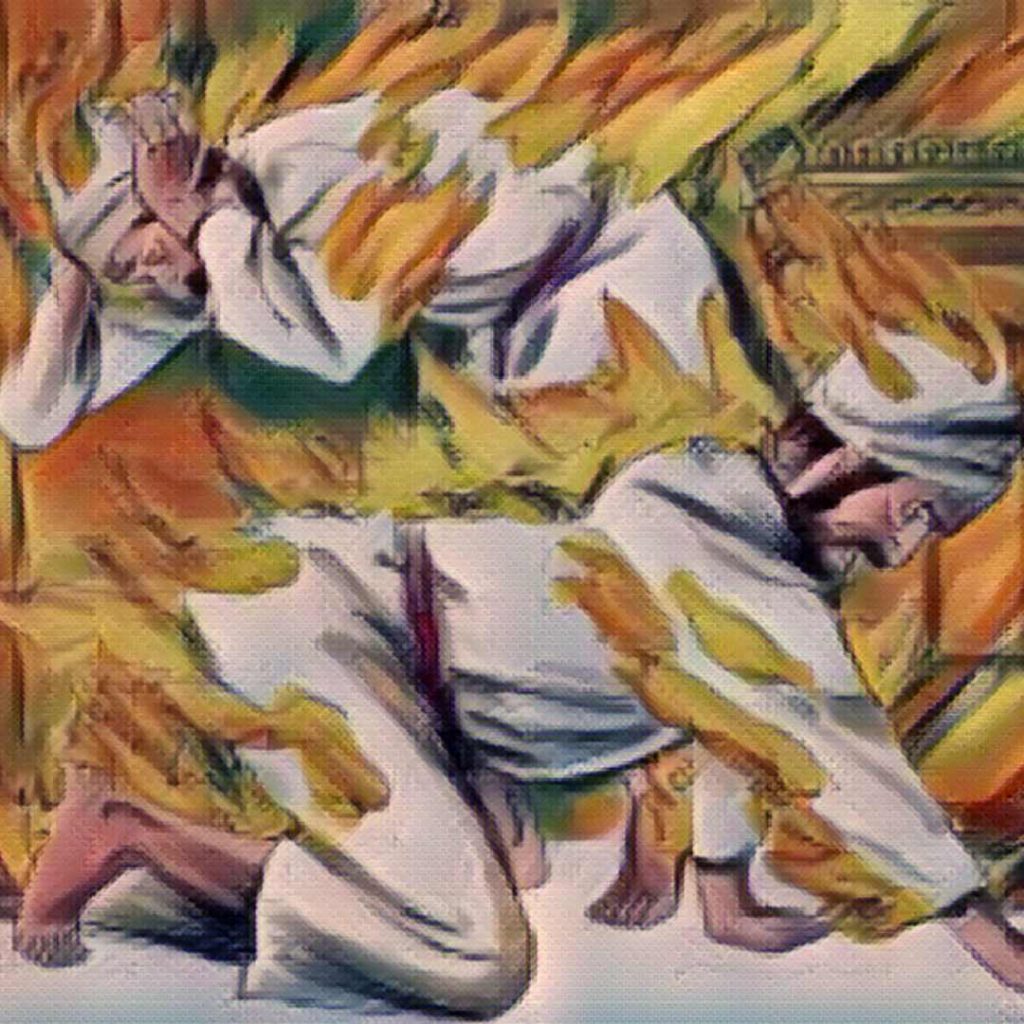
The Torah portion of Shmini includes, among instructions to the kohanim (priests) for the inauguration of the Mishkan (Tabernacle) during the sojourn of the Children of Israel in the desert, a reference to the death of Aaron’s son Nadav and Avihu. In his Michtav MiEliyahu vol. II, pp. 244-250, the noted mashgiach of Yeshivat Ponovezh R. Eliyahu Dessler (1892-1953) analyzes the matter of Nadav […]
Stand Up on a Chair

Events in the Torah portion of Miketz mark a culmination of a period of servitude and imprisonment imposed in Egypt upon Joseph the son of our forefather Jacob as well as an initial stage prior to the eventual cruel enslavement of Jacob’s descendents at the hands of the Egyptian until the omni-benevolent G-d miraculously freed […]
Authority after Sin
![Divrei Torah - G-d instructs us: “If the anointed priest [kohen gadol] will sin … for his sin that he committed he shall offer a bull](https://treeforisrael.com/wp-content/uploads/2015/03/Divrei-Torah-74-1024x1024.jpg)
In the Torah portion of Vayikra (4:2-23), G-d instructs us: “If the anointed priest [kohen gadol] will sin … for his sin that he committed he shall offer a bull, a young male of cattle, unblemished, to G-d as a sin-offering. …. If the entire assembly of Israel [the judges of the High Court, the Sanhedrin] […]
Accountability is Important for All

We find, when reading the Torah portion of Pekudei, that, when Moses appealed to the nation of Israel to provide funds and raw materials needed for the inauguration of the Mishkan (Holy Tabernacle), everyone responded with such amazing warm-hearted generosity that, in a relatively short time, Moses declared a halt to the contributions, and, afterwards, the Mishkan’s construction […]
Gather Around
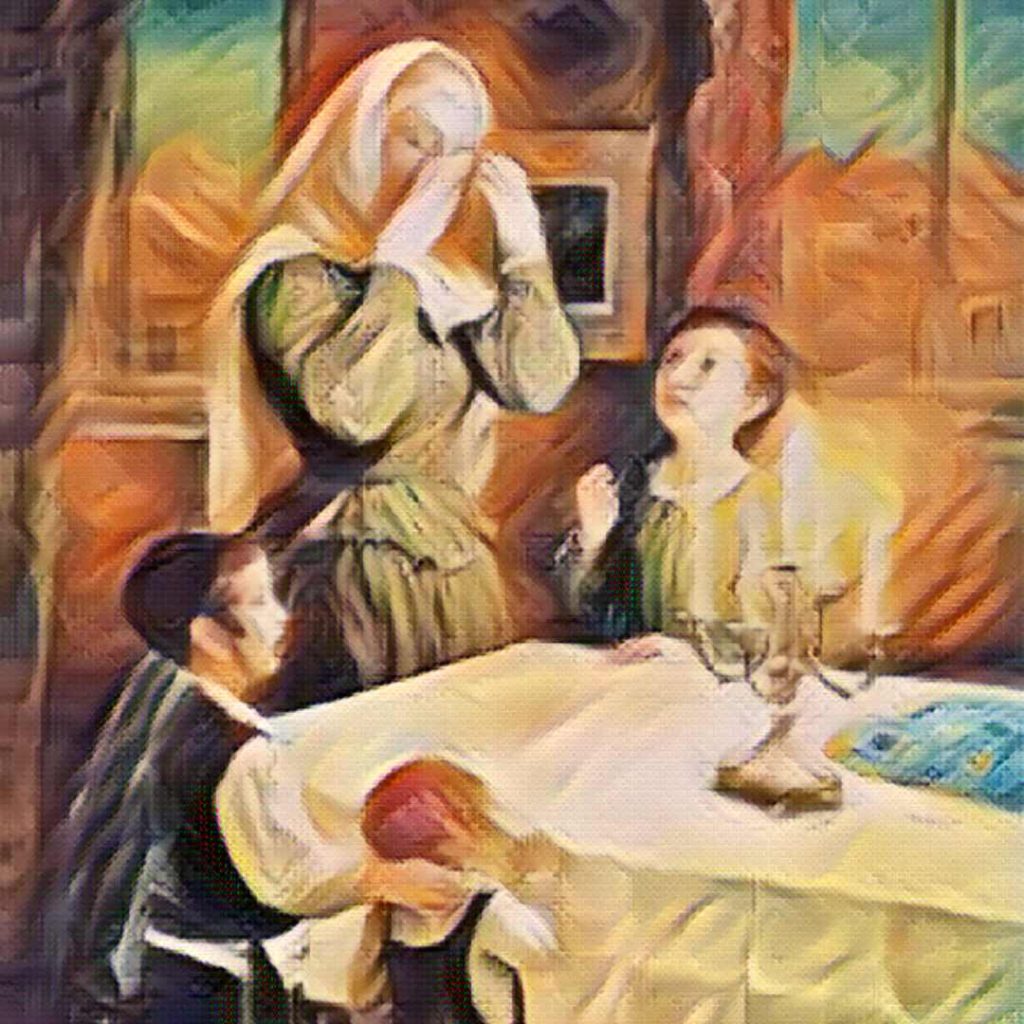
We read in the beginning of the Torah section of VaYakhel (Sh’mot 35:1-2): “And Moses gathered the entire assembly of the Children of Israel and said to them, ‘These are the things that G-d commanded to do them. On six days, work may be done, but the seventh day shall be holy for you, a […]
Names of the Children of Israel
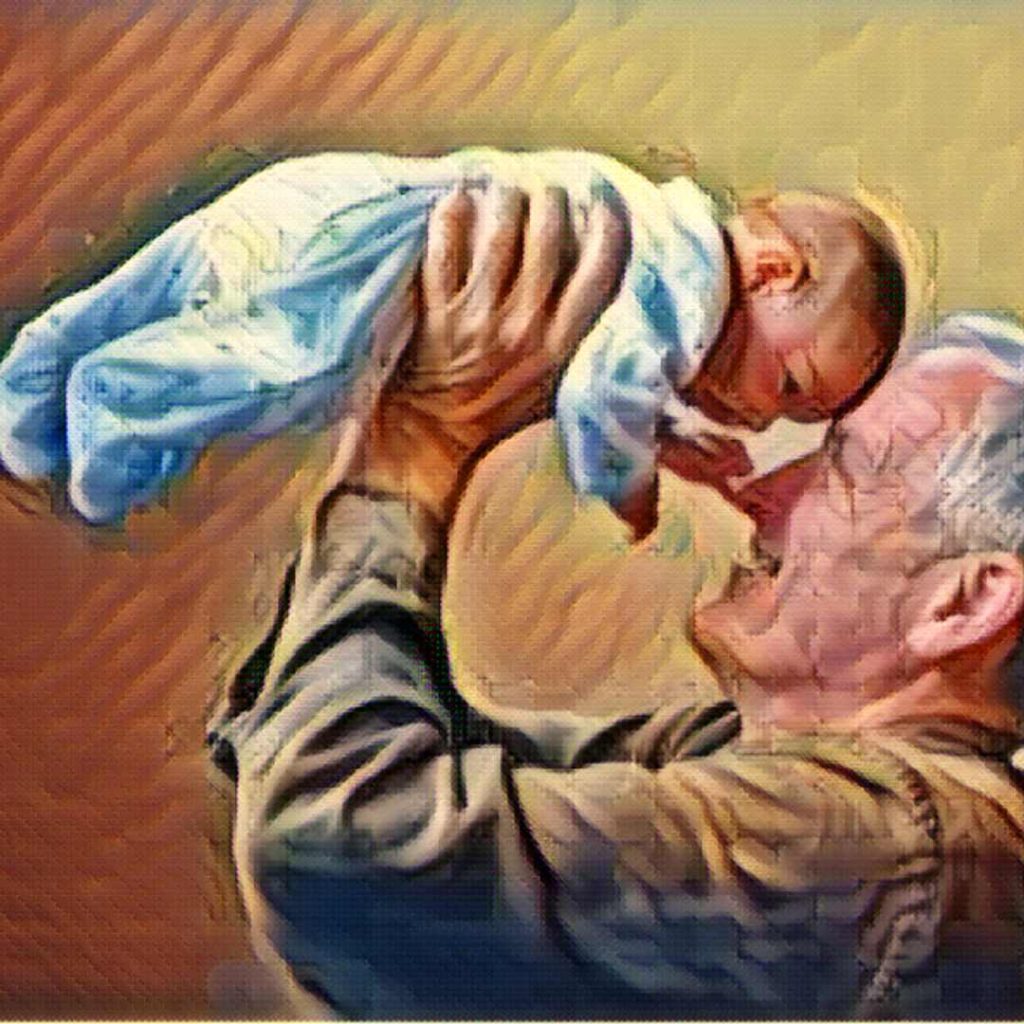
Upon pondering the Torah section of Tetzave and its various mentions of the term “names of the children of Israel ” (Sh’mot 28:9 et al), the noted Torah scholar R. Yitzchak Zilberstein discusses a question concerning naming a child that sheds significant light on the entire subject (VeHa’arev Na II, pp. 215-218). The question posed concerned a […]
Construction without Destruction

In the Torah section of Terumah, in the process of describing the details of the construction of the Mishkan (Tabernacle), used in the desert for sacrifices to G-d, we read (Sh’mot 26:15), “And you shall make the planks of the Tabernacle of acacia wood, standing erect.” Our Sages comment on the above verse (Sh’mot Rabbah 35:2): “Why acacia wood? […]
So That Your Days be Lengthened
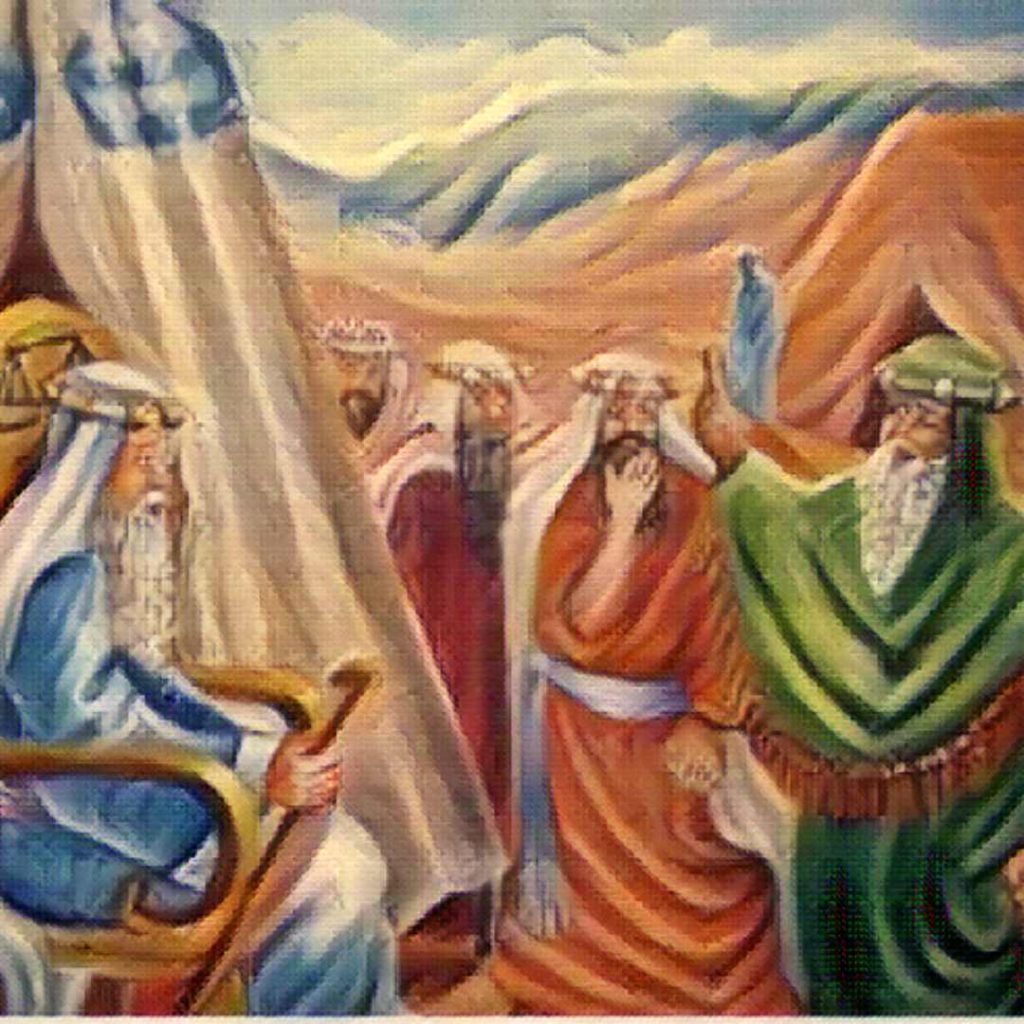
The Torah section of Yitro begins with our being told of Yitro’s sojourn from Midian into the desert to reunite with his son-in-law Moses and join the Israelites after their miraculous exodus from Egypt . We read (Sh’mot 18:5-24): “And Yitro, the father-in-law of Moses, came to Moses with his sons and wife, to the […]
Great Hand

In the Torah section of Beshalach, we read (Sh’mot 14:31), “And Israel saw the great hand that G-d inflicted upon Egypt.” In his Darash Moshe, the latter day Torah giant R. Moshe Feinstein offers an intriguing comment on this verse. R. Feinstein wonders why the Torah placed this verse here, after the Israelites saw the […]